Blog Content

26
Apr
2026
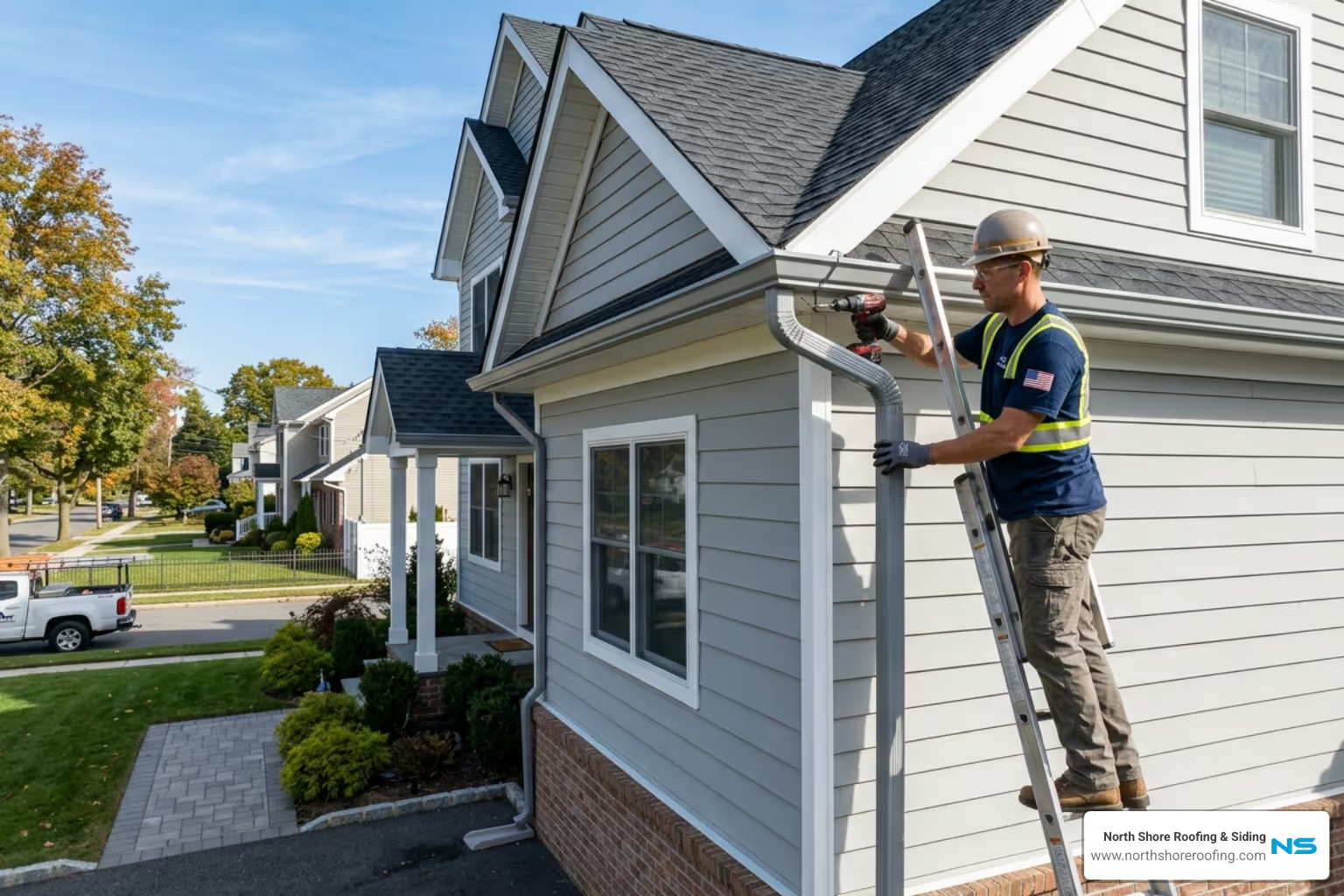
Installing a downspout on a gutter is one of the most important steps in protecting your home from water damage — and it's more involved than most homeowners expect.
Here's a quick overview of how it's done:
That's the short version. But getting each step right — especially in high-rainfall areas like Long Island and Queens — makes all the difference between a dry basement and a costly foundation repair.
Homes in Port Washington, Flushing, Bayside, Locust Valley, and Manhasset deal with nor'easters, heavy summer storms, and freeze-thaw cycles that put real stress on gutter systems. A downspout that's poorly positioned, undersized, or loosely fastened won't hold up.
Foundation cracks from poor drainage can run $2,000 to $15,000 to repair — far more than the cost of a proper installation.
This guide walks through everything: sizing, placement, professional installation techniques, common mistakes, and when to call a licensed team instead of going DIY.

At North Shore Roofing & Siding, we’ve seen what happens when water isn't managed correctly. A downspout is the vertical pipe that carries water from your roof's gutter system down to the ground. Without it, your gutters are just high-altitude bathtubs waiting to overflow.
Proper placement is the difference between a healthy home and a structural nightmare. When installing downspout on gutter systems, the primary goal is to move water away from the foundation. In Long Island and Queens, where many homes have finished basements, even a small amount of pooling water can lead to catastrophic flooding.
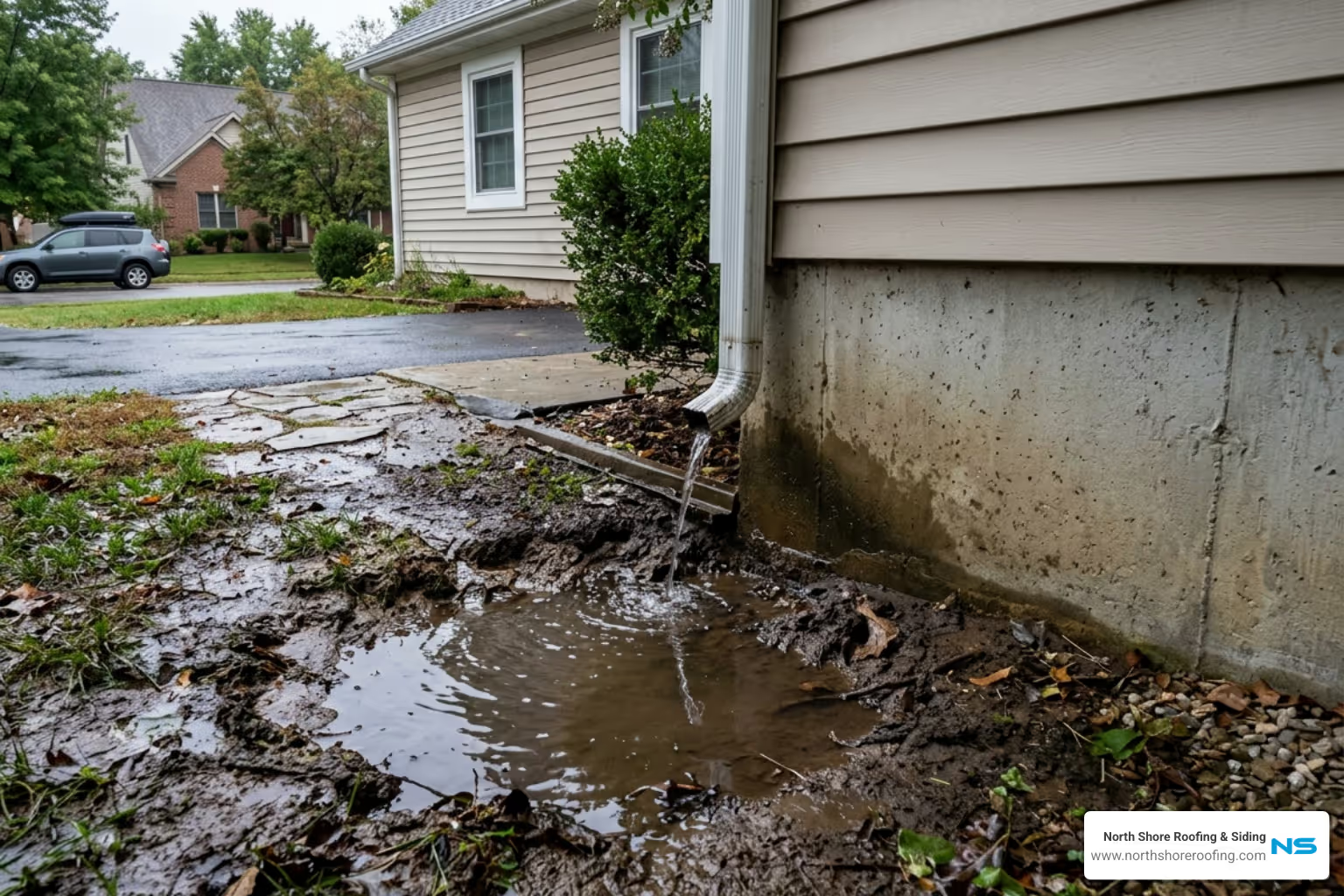
If you live in Port Washington, Flushing, or Bayside, you know our coastal weather can be unpredictable. When downspouts are placed too far apart or discharge too close to the house, you risk:
According to the Downspout Installation Guide: Cost, Rules & Best Practices, water should ideally discharge 4–6 feet away from the foundation at a minimum. In areas with clay-heavy soil, which we often find in parts of Long Island, extending that to 10 feet is even safer.
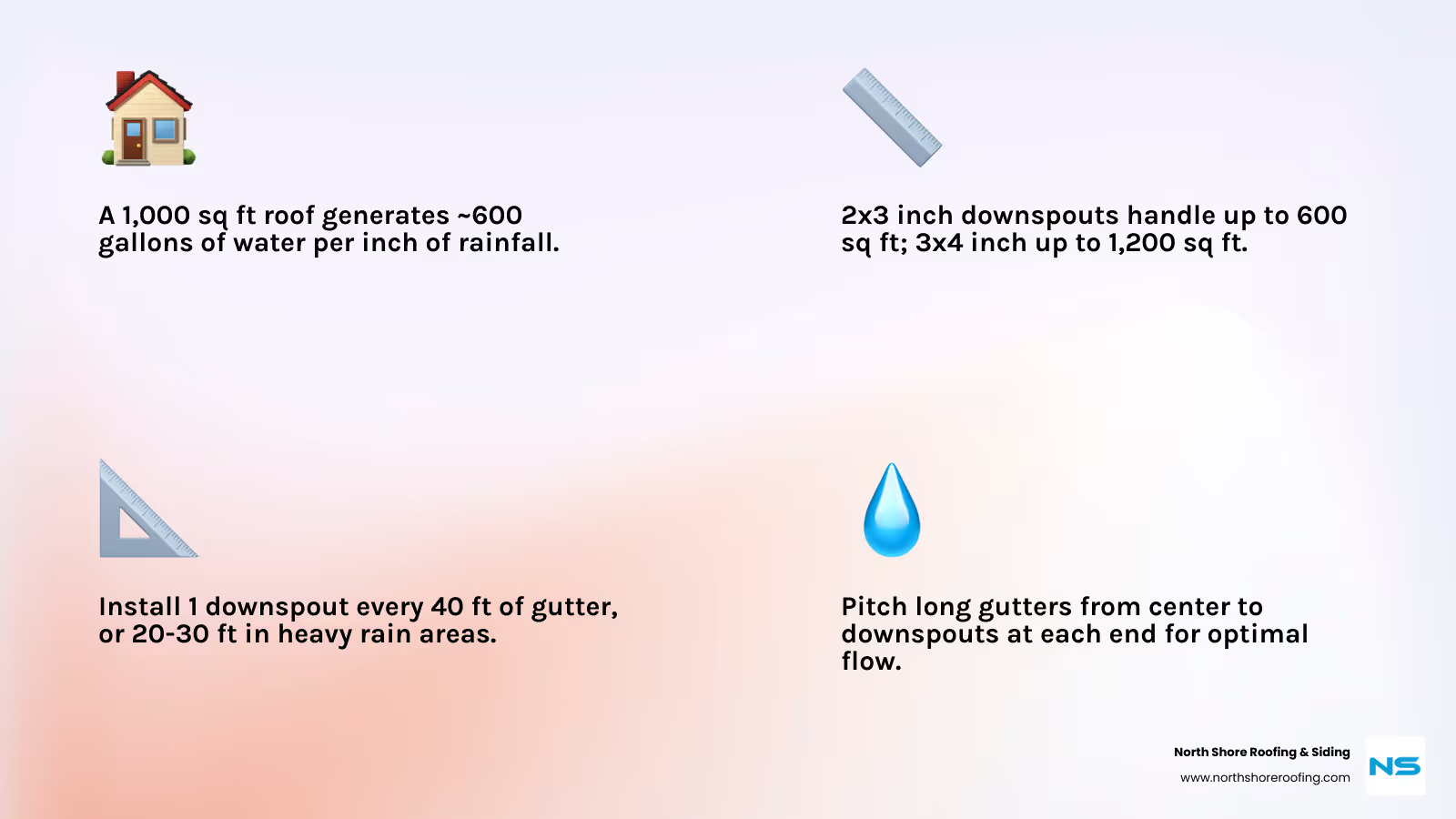
Before we even pick up a drill, we have to talk math. Not all downspouts are created equal. If your roof is large, a standard small downspout will act like a straw trying to drain a swimming pool.
When planning your system in Locust Valley or Manhasset, consider these standard capacities:
A 1,000-square-foot roof can produce about 600 gallons of water for every inch of rainfall. If you’re in Queens or Long Island during a summer thunderstorm, your system needs to handle several gallons per minute.
A common industry guideline is to have one downspout for every 40 feet of gutter. However, for the heavy rains we see in New York, we often recommend one every 20 to 30 feet. If your gutter run is longer than 40 feet, it should ideally be pitched from the center toward a downspout at each end. For more details on the materials used in these systems, check out our info about aluminum gutter services.
While many homeowners consider installing downspout on gutter sections a weekend DIY project, there is a level of precision required that usually calls for professional expertise. In Port Washington, Flushing, and Bayside, the architectural variety—from historic Victorians to modern builds—requires custom solutions.
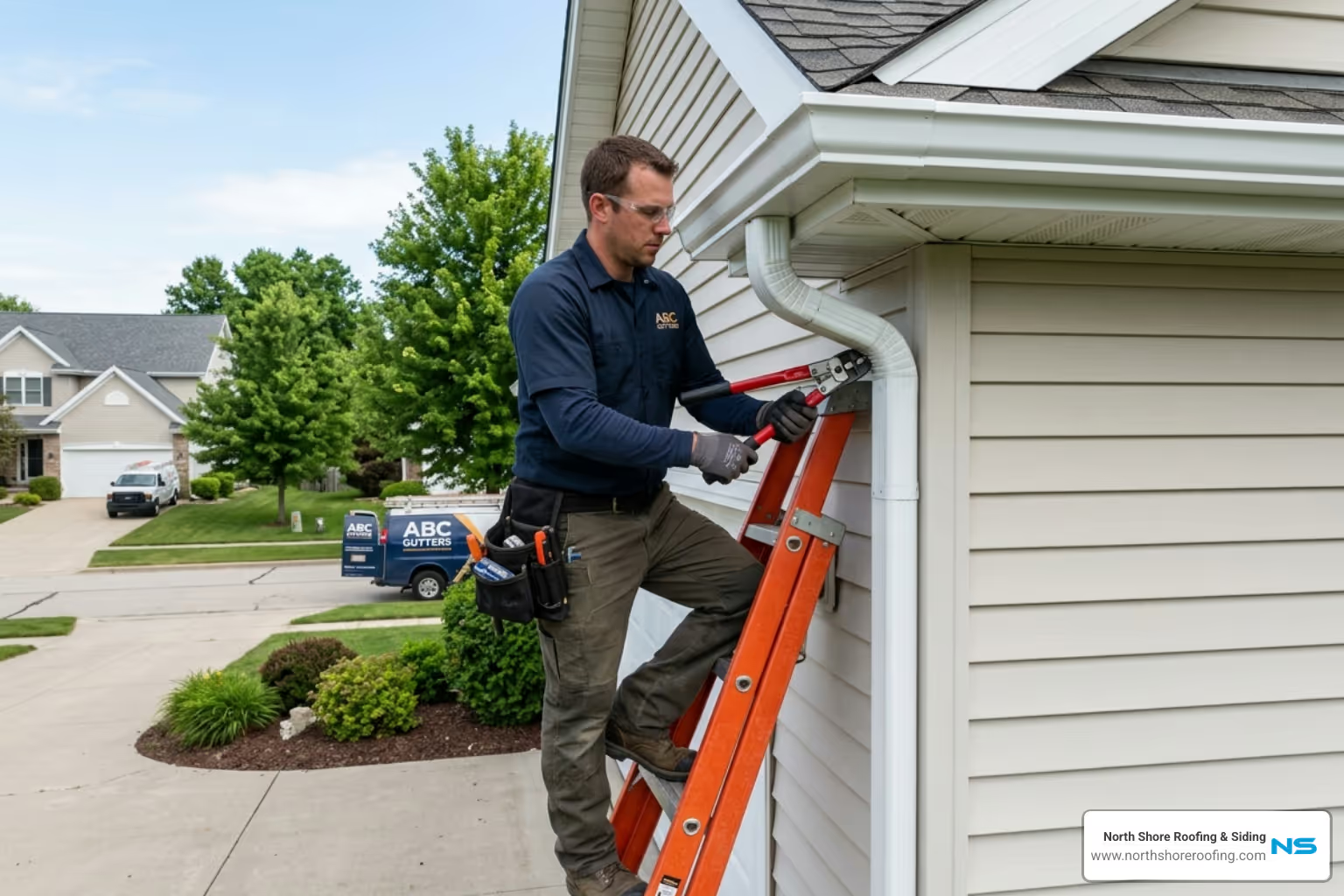
At North Shore Roofing & Siding, we focus on integrated systems. This means the downspout isn't just "stuck on"—it's a seamless part of the home's exterior. We use professional-grade tools like hole saws, pop rivet guns, and high-quality crimpers to ensure every joint is watertight.
If you are looking to understand the process used by experts, here is how we handle a standard installation:
For high-end homes, many owners opt for specialized materials. You can find more info about copper gutter services if you're looking for a system that lasts over 50 years and adds significant curb appeal.
Errors in installation don't just look bad—they cause damage. Here are the most common pitfalls we fix for homeowners in Locust Valley, Manhasset, and across Long Island:
According to a guide on how to install a downspout, precision in the "wall offset" is the most difficult part for beginners to master.
In New York, our weather is a rollercoaster. One day it’s 50 degrees in Queens, and the next it’s a freeze in Port Washington. This "freeze-thaw" cycle is brutal on downspouts. If water sits in an elbow and freezes, it can split the metal wide open.
For many of our clients in Flushing and Manhasset, splash blocks aren't enough. We often recommend connecting downspouts to underground PVC pipes. These pipes carry water 10 to 15 feet away from the house to a "pop-up" emitter or a dry well. This keeps your yard looking clean and ensures your foundation stays bone-dry.
If you’re environmentally conscious, you can direct your downspouts into a rain barrel. This is a great way to save water for your garden during the dry summer months on Long Island. Just make sure the barrel has an "overflow" pipe that directs excess water away from the house when the barrel is full.
For those living in the city, check out more info about gutter installation in Long Island to understand specific urban drainage requirements and building codes.
Most standard homes in Bayside or Manhasset require at least one downspout for every 30 to 40 feet of gutter. However, the complexity of your roof matters more than the length. If you have multiple gables or dormers, you may need "collector" downspouts that transition water from upper roofs to lower gutters. A 1,500-square-foot home typically needs a minimum of four downspouts to handle average New York rainfall.
In April 2026, the cost for professional downspout installation typically ranges from $150 to $350 per downspout, including labor and high-quality materials. While DIY might seem cheaper, the specialized tools and the risk of working on a ladder often make professional installation the more cost-effective choice in the long run. In Locust Valley, where homes often have complex rooflines, custom labor may slightly increase these estimates.
At a minimum, you want water to exit 4 to 6 feet away from your home. If your yard slopes toward the house, you may need a much longer extension or a grade-level system. In Manhasset, where properties are often beautifully landscaped, we recommend underground extensions to keep the drainage system invisible while protecting the home's structural integrity.
Installing downspout on gutter systems is the final, critical step in home moisture management. Whether you are in the heart of Queens or the coastal stretches of Long Island, your home's foundation depends on how well you handle the rain.
As of April 2026, North Shore Roofing & Siding remains the trusted choice for homeowners across Nassau County and Queens County. Our licensed and certified team brings local expertise to every job, from Bayside to Flushing and Hempstead. We pride ourselves on honest pricing and a commitment to exceeding expectations.
Don't wait for the next nor'easter to find out your drainage is insufficient. If you're seeing pooling water, sagging gutters, or damp spots in your basement, it’s time for a professional evaluation.
Contact our experts for professional gutter installation services in NY today and ensure your home stays protected for years to come.
Copyright 2022 North Shore Roofing & Siding | All Rights Reserved | Sitemap | Website by Plumb Development a Digital Marketing Agency