Blog Content

20
Apr
2026
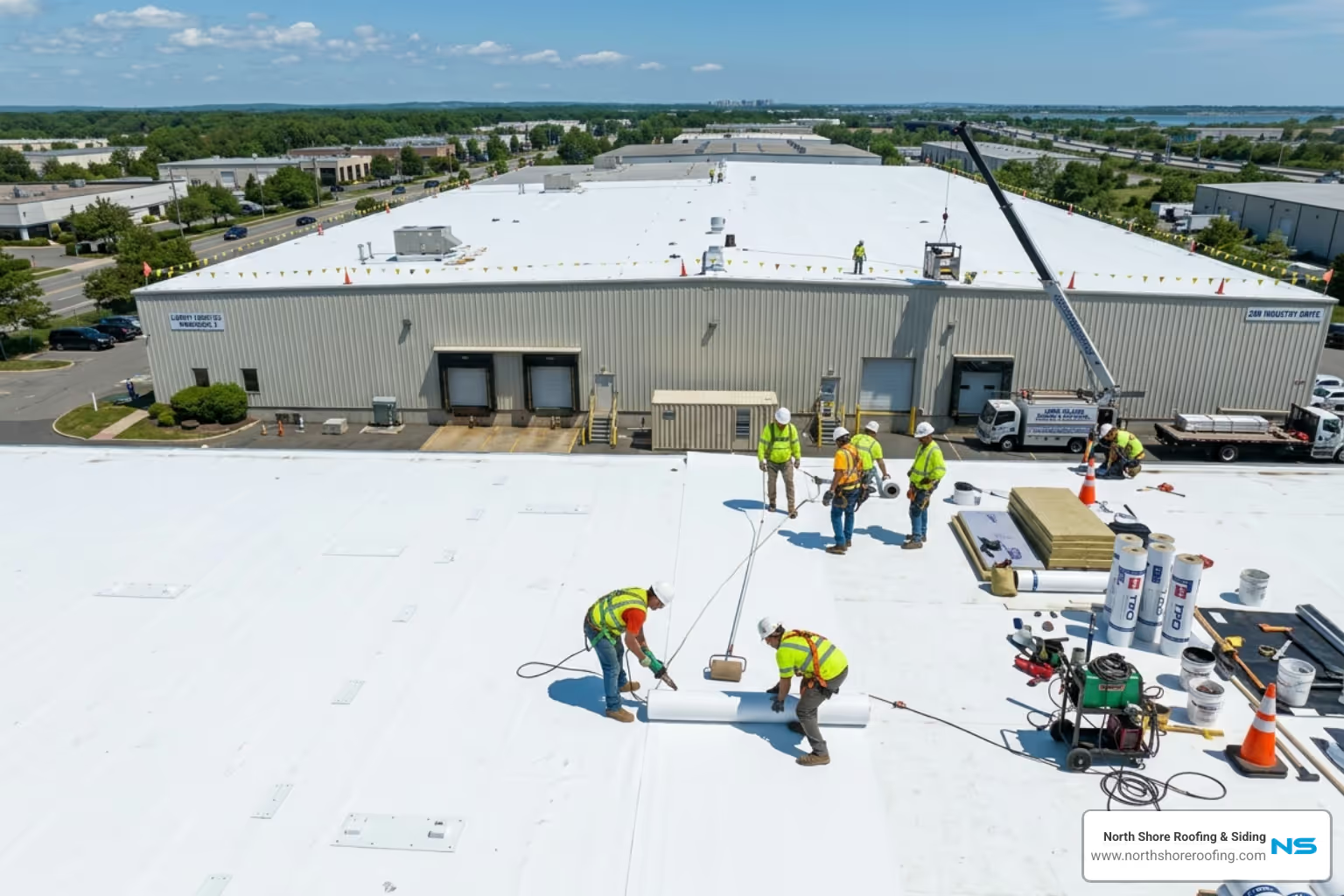
Commercial roof installation is one of the biggest investments a building owner can make — and getting it wrong is expensive. According to the National Roofing Contractors Association, the quality of the installation is just as important as the materials used.
Here's a quick overview of what's involved:
Whether you own a strip mall in Bayside, a warehouse in Locust Valley, or an office building in Port Washington, the fundamentals are the same: the right system, installed correctly, by professionals who know local codes.
Commercial flat roofs dominate Long Island and Queens for good reason. They're cost-effective, they support HVAC equipment, and they're practical for large footprints. But they also come with real challenges — ponding water, membrane failures, and harsh nor'easters that can push even a well-built roof to its limits.
This guide walks you through everything: the systems, the process, the permits, and what to watch out for — so you can make a confident decision for your property in Manhasset, Flushing, or anywhere across Long Island.
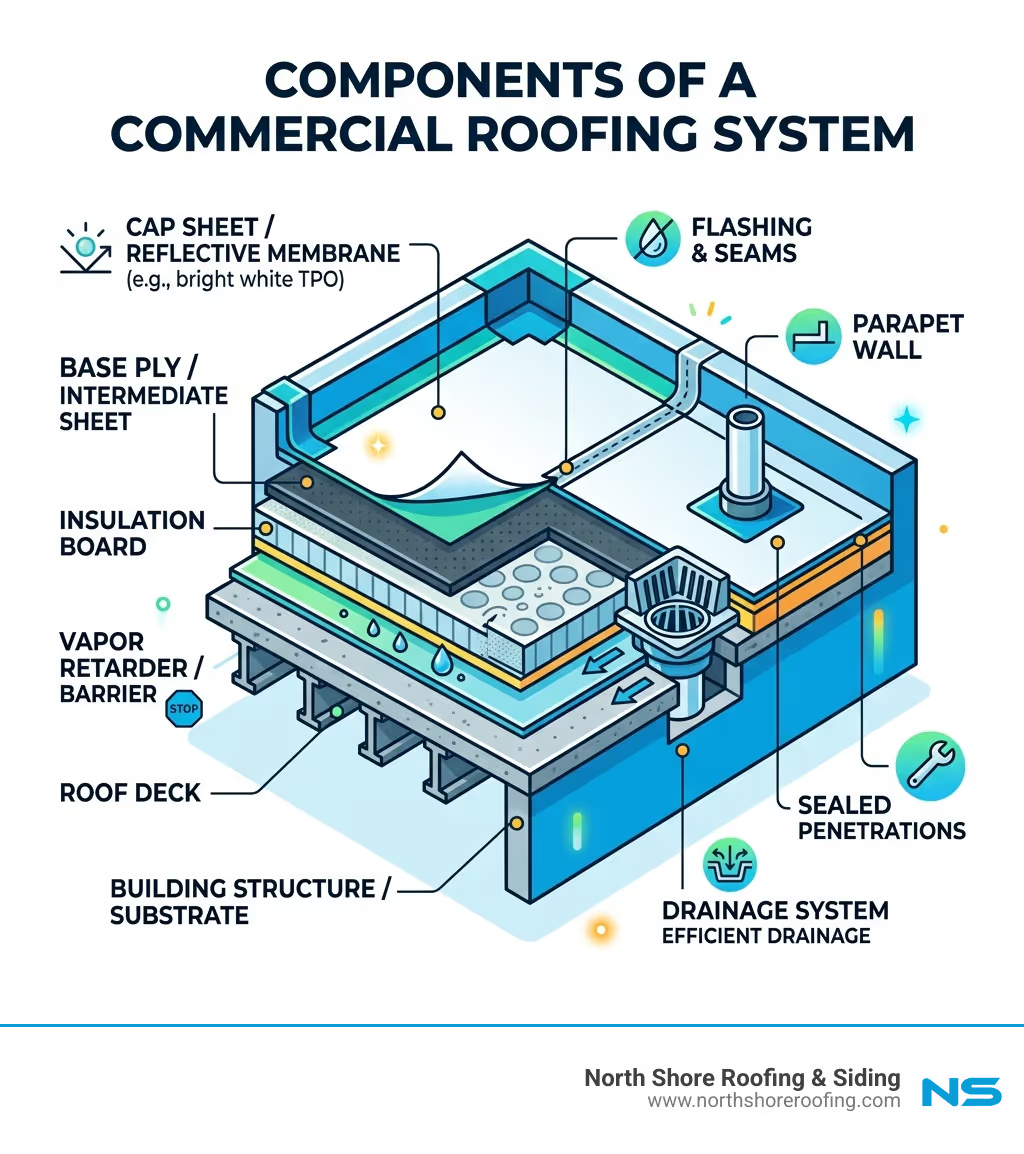
Choosing a roofing system isn't just about the price tag; it’s about matching the material to your building’s specific needs and the unique climate of Long Island and Queens. From the salt air near Port Washington to the dense urban heat of Flushing, your choice of material dictates how long your investment will last.
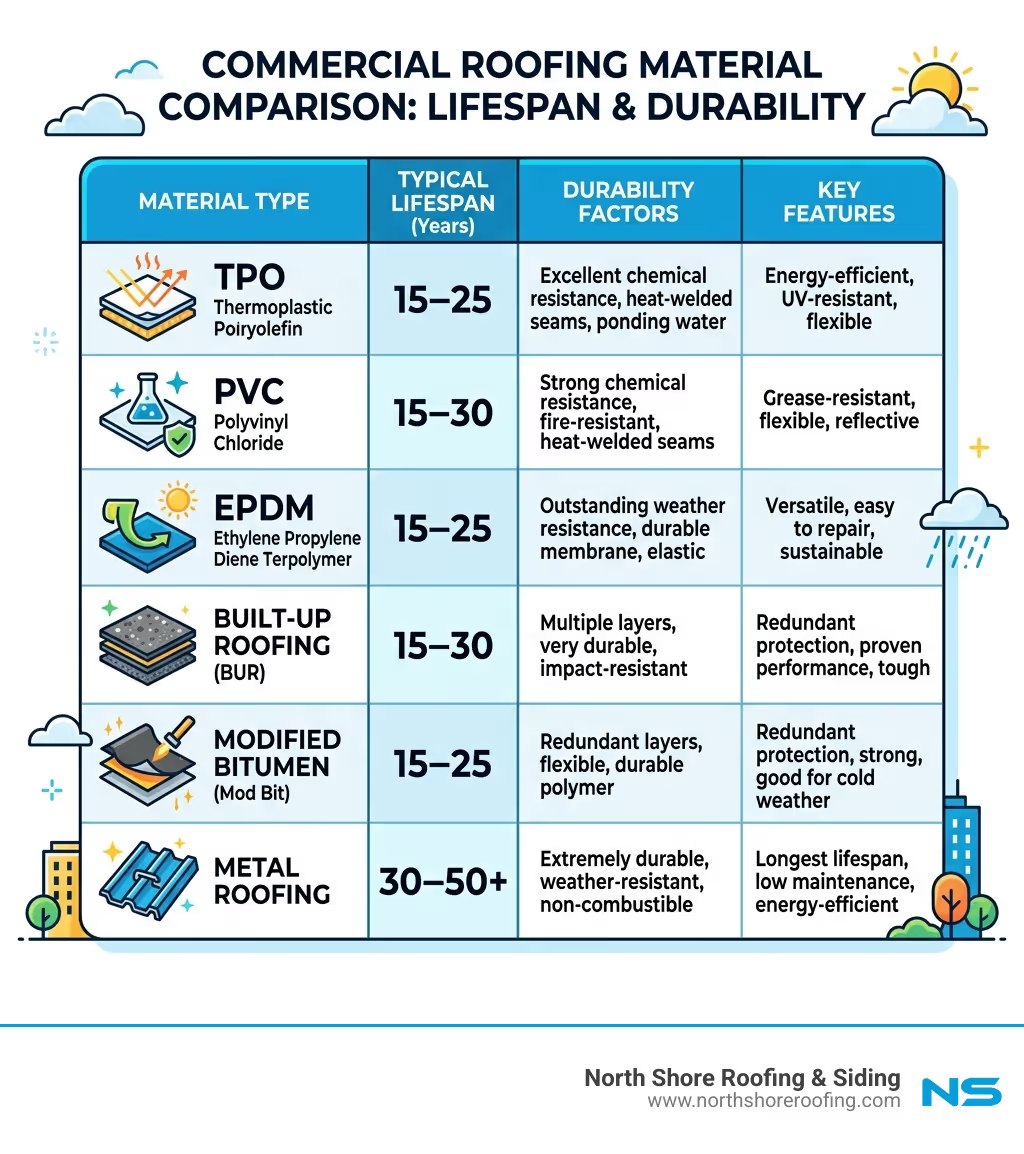
When we look at Commercial Flat Roofing Installation NY, we generally categorize them into single-ply membranes, traditional asphaltic systems, and metal. For a broader perspective, you can check out our Commercial Roofing Overview.
Single-ply membranes are currently the most popular choice for commercial roof installation in the United States. They are cost-effective, durable, and relatively quick to install.
If you prefer a "tried and true" method, asphaltic systems have been protecting buildings since the mid-1800s.
Before jumping into a full commercial roof installation, we always perform a deep-dive assessment. You don't want to buy a new roof if a restoration will do, but you also don't want to throw good money at a "dead" roof.
In Manhasset and Port Washington, we look for specific red flags:
We use advanced tools like infrared moisture scanning to detect water trapped beneath the surface that isn't visible to the naked eye. We also take core cuts—physical samples of the roof layers—to see exactly what’s happening down at the deck level.
If your roof is structurally sound and less than 25% of the surface is damaged, you might be a candidate for restoration. This involves "re-skinning" the roof with liquid-applied coatings (silicone or acrylic).
Restoration is a fantastic way to extend your roof’s life by 10–20 years at a fraction of the cost of a full replacement. For buildings with specific metal components, you might also consider Aluminum Roofing Install Services NY for targeted upgrades.
Installing a commercial roof is a major logistical operation. It’s not just about the hammers and nails; it’s about safety, timing, and minimizing the "headache factor" for your business.
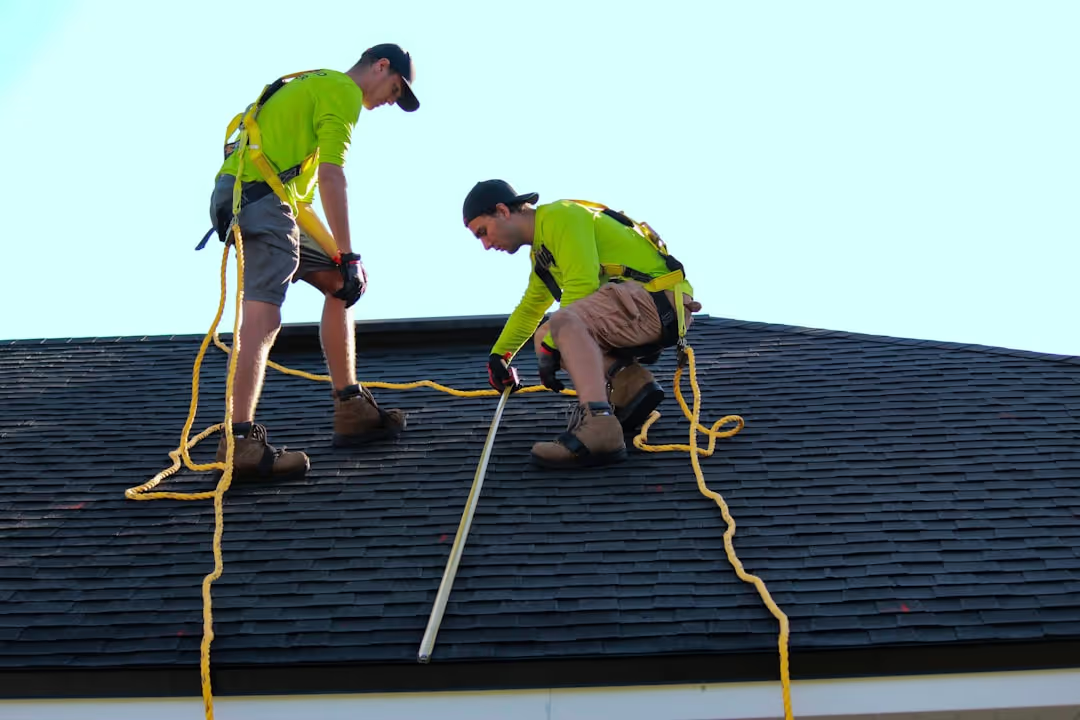
You can't just start tearing off a roof in Nassau County or Queens without the right paperwork.
Once the permits are in hand, the real work begins. Here is the typical flow of a project in Locust Valley or Port Washington:
In Queens and Long Island, energy efficiency isn't just a buzzword—it’s a way to save thousands of dollars over the life of the roof. By using Energy Star-certified products and high R-value insulation, we can reduce your average energy savings by up to 20%.
White, reflective surfaces (like TPO or PVC) are "cool roofs" that bounce solar heat away from the building, significantly lowering the load on your HVAC system. For those interested in specialized metal finishes, we also offer Copper Roofing Installation Service NY for high-end commercial accents.
A warranty is only as good as the maintenance plan that supports it. Most manufacturers require bi-annual inspections to keep your warranty valid.
If your building has a mix of roofing styles, we can also assist with Slate Roofing Installation Services NY for those historic or steep-sloped sections in Manhasset, Port Washington, or Locust Valley.
Most commercial roof installation projects on Long Island and in Queens take between 3 and 10 days. Factors like the size of the building in Bayside, the complexity of the HVAC units on a Flushing warehouse, and our unpredictable NY weather play a huge role. We always build a "buffer" into the schedule for rain or high winds.
Yes, in some cases, an "overlay" is possible if the building code allows it (usually a maximum of two roof layers) and if the existing structure is sound. However, we must perform moisture testing first. If there is trapped water in the old roof in Manhasset or Port Washington, an overlay will only trap that moisture and cause the new roof to fail prematurely.
The "big three" are poor surface preparation, improper seam welding, and inadequate drainage. If a contractor in Locust Valley skips the deck prep or rushes the heat-welding on a TPO roof, leaks are inevitable. Neglected maintenance—like letting leaves clog the drains—is the other leading cause of failure.
A successful commercial roof installation requires more than just materials; it requires a deep understanding of local building codes and the environmental challenges of Long Island and Queens. At North Shore Roofing & Siding, we bring decades of local expertise to every project, from the retail hubs of Flushing and Bayside to the industrial parks of Locust Valley.
We pride ourselves on honest pricing and a licensed, certified team that exceeds expectations. Whether you need a full replacement in Manhasset or a detailed inspection in Port Washington, we are here to protect your investment.
Ready to secure your building's future? Explore our Commercial Roofing Services NYC and let's get started on a roof that lasts.
Copyright 2022 North Shore Roofing & Siding | All Rights Reserved | Sitemap | Website by Plumb Development a Digital Marketing Agency