Blog Content

20
Aug
2026
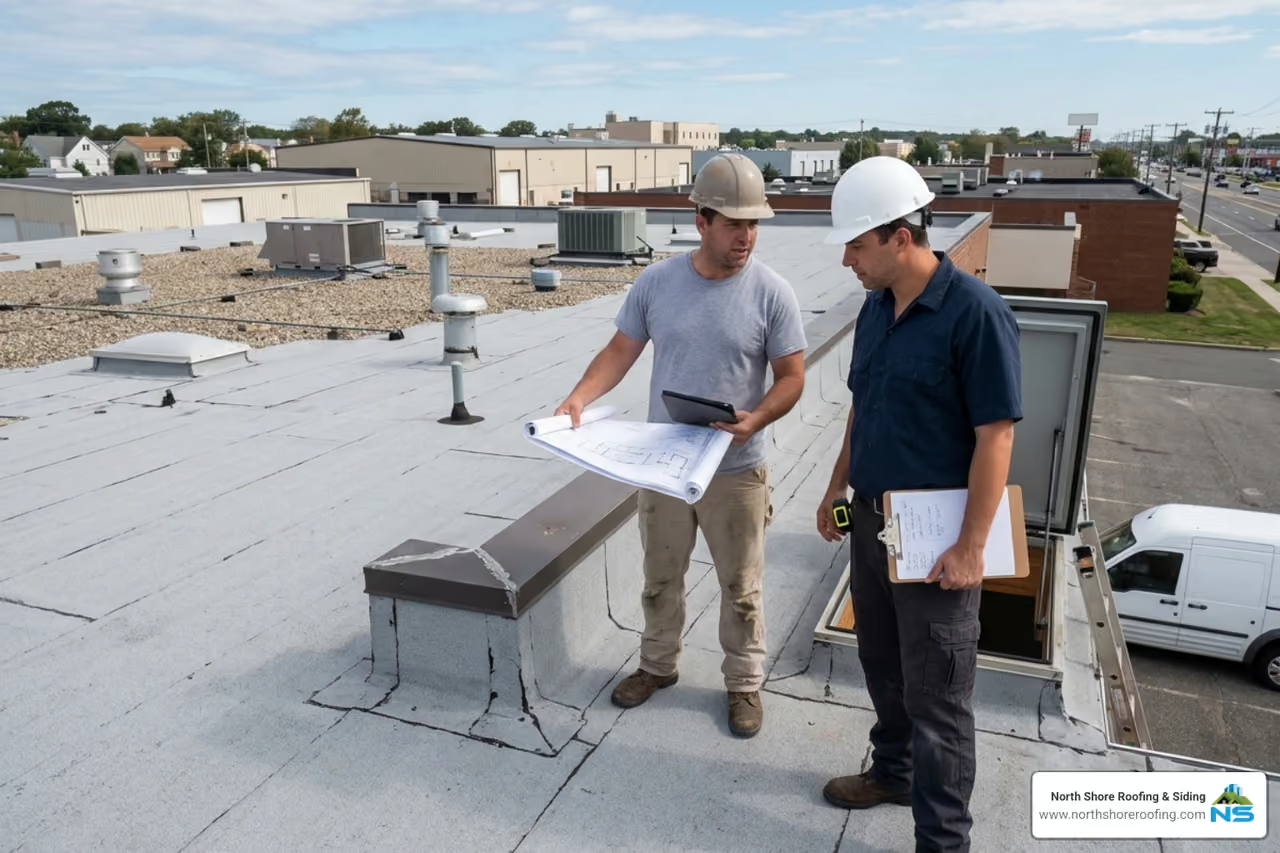
Commercial roofing bids can feel overwhelming — especially if you're a business owner in Queens, Long Island, or anywhere from Port Washington to Manhasset who has never been through the process before.
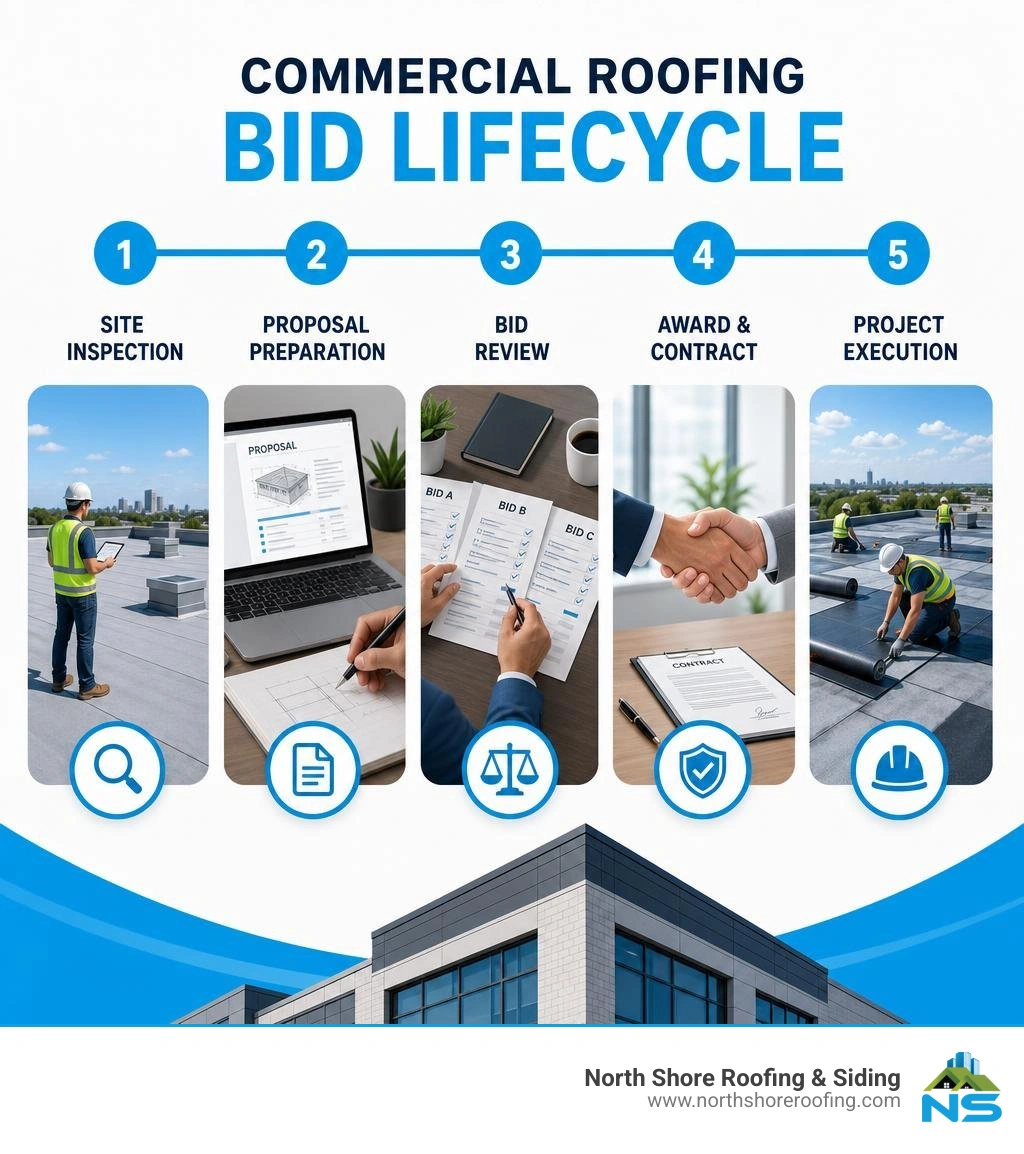
Here's a quick overview of what the commercial roofing bid process looks like:
Getting this process right matters. Improper scoping and incomplete bids are among the top causes of cost overruns in commercial construction — but clear project documentation can reduce unexpected costs by up to 20%.
Whether you own an office building in Flushing, a retail center in Bayside, or a multi-unit property in Locust Valley, understanding what goes into a commercial roofing bid helps you protect your investment and avoid costly surprises.
This guide walks you through every step — from the first site visit to the final contract.
Handy commercial roofing bids terms:
The path to a successful roofing project always begins with a physical boots-on-the-roof assessment. When we perform a site inspection on a commercial building in Long Island or Queens, we do not just pace out the perimeter and guess. A commercial roof is a complex, engineered system, and a thorough inspection is the only way to prevent costly change orders later.
During a professional site inspection or pre-bid meeting, a qualified commercial contractor will look closely at the structural integrity of your roof deck, check for hidden moisture, and evaluate existing rooftop equipment. For larger commercial projects—such as public buildings in Port Washington or commercial complexes in Manhasset—pre-bid walk-throughs are often scheduled so all bidding contractors can inspect the site conditions firsthand.
To determine exactly what your roof needs, we utilize several diagnostic techniques:
This meticulous approach ensures we address minor issues before they turn into major structural emergencies. For more on keeping your system in top shape, see our guide on industrial roof maintenance. If you are currently dealing with active water intrusion, you can read more about our approach to commercial roof leak repair.
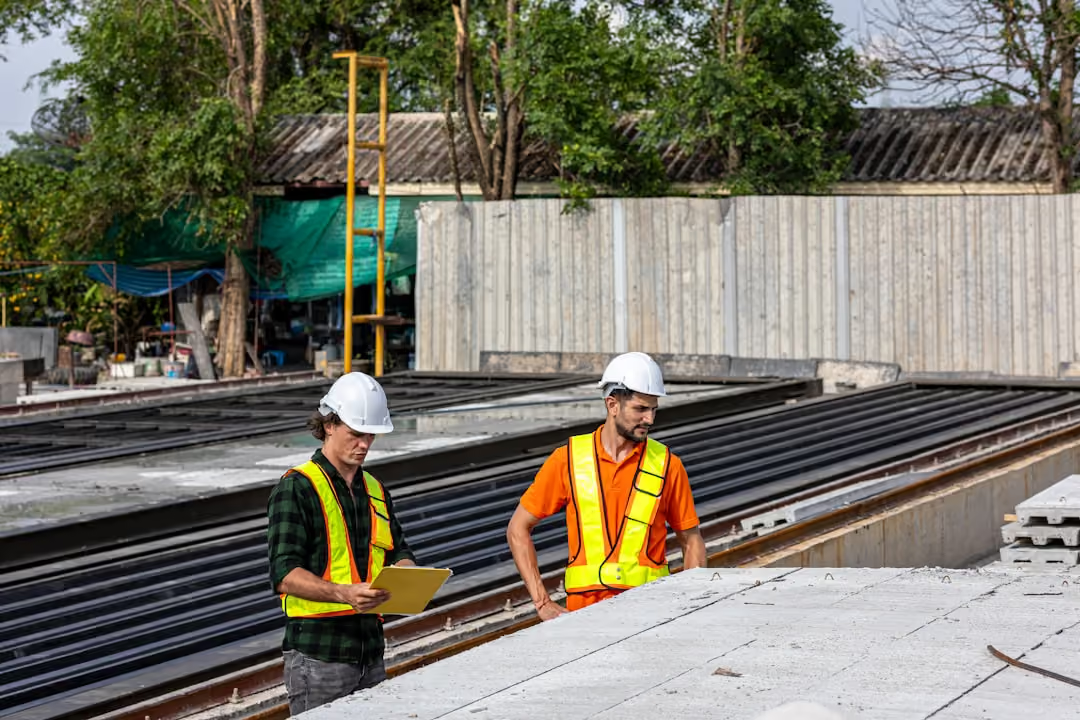
When it comes to commercial roofing bids, looking only at the bottom-line price is the easiest way to end up with a cheap roof and an expensive problem. A commercial roofing proposal is a highly technical document. To make an informed decision for your property in Flushing or Bayside, you must understand the exact scope of work being proposed.
One of the most critical decisions outlined in a bid is whether the project is a tear-off or a recover.
While a recover saves money upfront, building codes in New York state typically limit a commercial structure to a maximum of two roof layers. If your building in Locust Valley already has two layers, a full tear-off is your only legal option.
Whether you are considering a single-ply TPO, a durable EPDM system, or a standing seam metal roof, you must evaluate the long-term lifecycle costs of the system. For a deep dive into flat roof options, check out our resource on commercial flat roofing installation, or read our overview of the entire commercial roof installation process.
To help you visualize the structural and financial differences between these two primary scopes of work, we have broken down the key factors in the comparison table below:
For a masterclass in dissecting these technical proposals, you can reference Flat Roof Report's Guide on Proposal Reading.
A complete, professional commercial roofing bid must detail the exact specifications of the materials to be installed. Vague phrases like "install membrane per manufacturer specifications" are red flags. A comprehensive proposal should clearly specify:
To compare commercial roofing bids successfully, you must perform an "apples-to-apples" normalization. Create a simple comparison matrix. If Contractor A bids a 45 mil membrane with no cover board for $80,000, and Contractor B bids a 60 mil membrane with a 1/2-inch gypsum cover board for $95,000, Contractor A is not offering a better deal—they are offering a significantly weaker product. Ask Contractor A to revise their bid to match Contractor B's physical specifications so you can compare the actual labor and material pricing fairly.
Additionally, look closely at the warranties. Do not confuse a manufacturer's material warranty with a No Dollar Limit (NDL) system warranty. A material-only warranty only covers the physical cost of a defective membrane, leaving you to pay for the expensive labor to replace it. An NDL warranty covers both labor and materials for any covered leak, with no financial cap on repairs over the life of the warranty (typically 20 years). Finally, verify the duration and terms of the contractor's own workmanship warranty, which covers installation-related errors.
Commercial roofing involves substantial liability, which is why compliance documentation is a non-negotiable part of any bid package. If you are managing a municipal property in Nassau County or a commercial warehouse in Queens, you must ensure your chosen contractor is fully licensed, insured, and bonded.
Any bid you accept should include proof of:
To explore municipal bidding standards and local contract opportunities, you can check out the Nassau County Bidding Opportunities portal or search state-level listings on the NYS Contract Reporter.
Residential roofing bids are typically straightforward, focusing on asphalt shingles, underlayment, and basic ventilation for pitched roofs. Commercial roofing bids are far more complex. They deal with low-slope or flat roof assemblies, specialized single-ply membranes (like TPO, PVC, or EPDM), complex multi-layered insulation packages, and heavy commercial drainage systems.
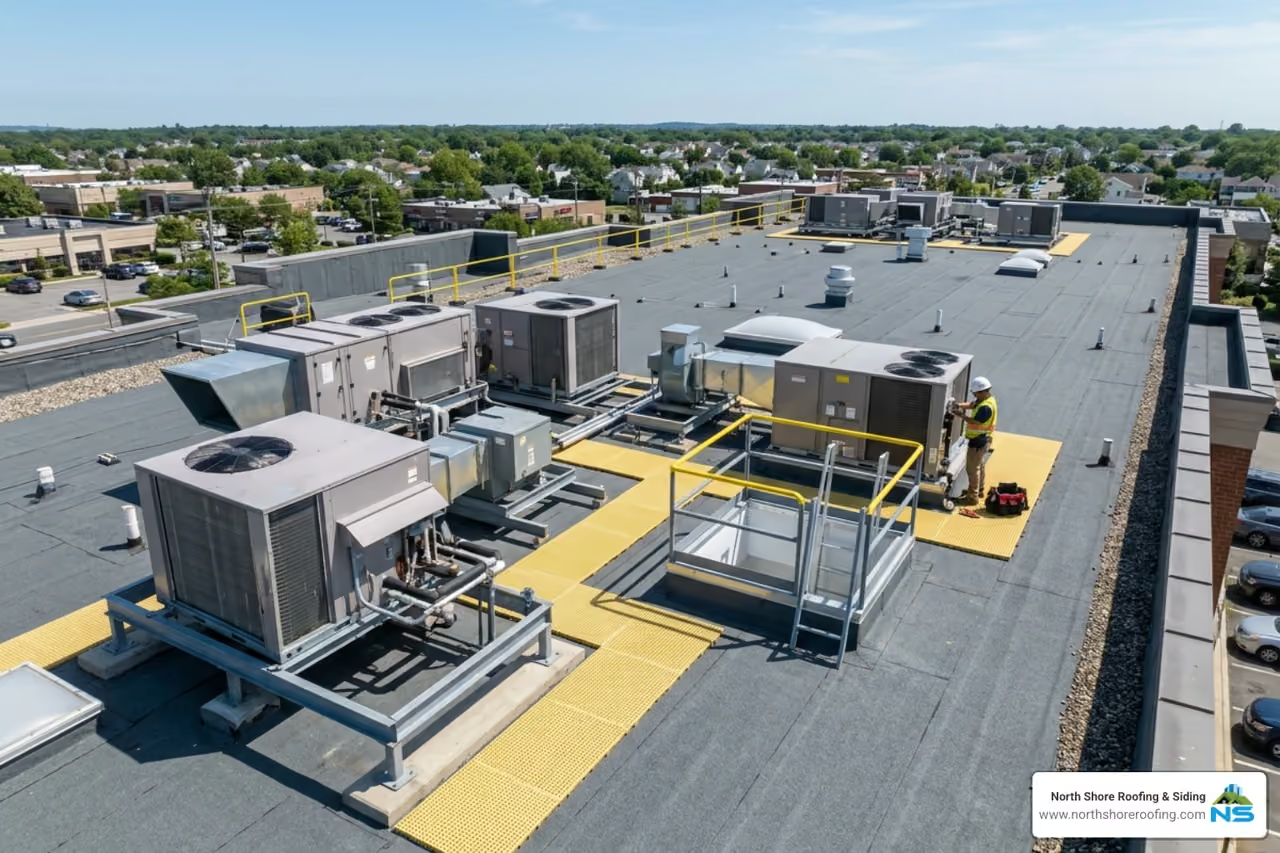
Furthermore, commercial projects must adhere to strict OSHA safety standards—such as installing temporary guardrail systems or warning lines—and must coordinate around massive rooftop mechanical equipment without disrupting active business operations below.
For a standard commercial building in Port Washington or Flushing, you can expect to receive a detailed written proposal within 5 to 10 business days following the initial site walk. This timeline allows our estimating team to perform accurate digital takeoffs, calculate wind-uplift requirements, obtain current material pricing from manufacturers, and structure a comprehensive, customized project schedule.
Price discrepancies usually come down to differences in the proposed scope of work and material quality. A lower bid might completely omit a high-density cover board, use a thinner 45 mil membrane instead of a robust 60 mil or 80 mil option, or exclude the cost of manufacturer inspection fees required to issue an NDL warranty. Artificially low bids may also ignore necessary drainage corrections, such as installing tapered insulation to eliminate ponding water, which can lead to premature roof failure.
Navigating commercial roofing bids does not have to be a stressful endeavor. By understanding the site inspection process, knowing how to read the technical details of a proposal, and verifying compliance and insurance requirements, you can make a highly informed decision that protects your commercial property for decades.
At North Shore Roofing & Siding, we bring decades of local expertise, honest pricing, and manufacturer-certified craftsmanship to every commercial project we undertake. Whether your business is located in Port Washington, Flushing, Bayside, Locust Valley, Manhasset, or anywhere else across Long Island and Queens, we are here to deliver a transparent, professional, and seamless roofing experience.
Ready to plan your next project with a partner you can trust? More info on commercial roofing services in NYC is just a click away—reach out to us today to schedule your comprehensive commercial consultation.
Copyright 2022 North Shore Roofing & Siding | All Rights Reserved | Sitemap | Website by Plumb Development a Digital Marketing Agency