Blog Content

1
Jun
2026
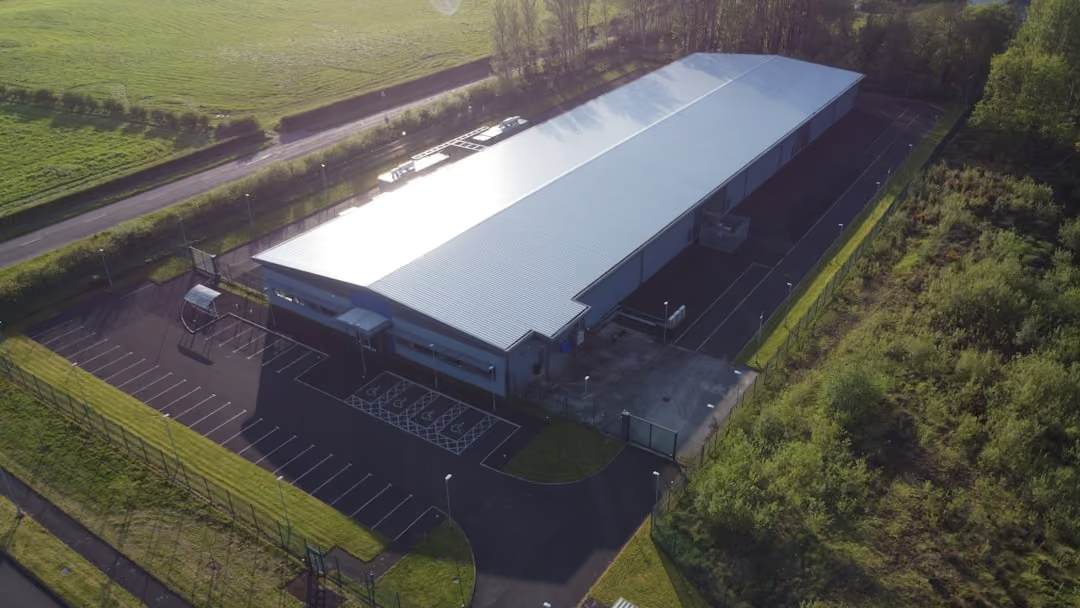
Industrial flat roofing is the system of materials, layers, and membranes that protects large-scale facilities — warehouses, manufacturing plants, and distribution centers — from weather, chemical exposure, and structural damage.
Here's a quick look at the most common industrial flat roofing systems and what makes each one stand out:
If you manage a facility in Long Island, Queens, or surrounding areas like Port Washington, Flushing, Bayside, Locust Valley, or Manhasset, the stakes are even higher. The Northeast climate throws everything at your roof — heavy snow loads, freeze-thaw cycles, coastal humidity, and summer heat.
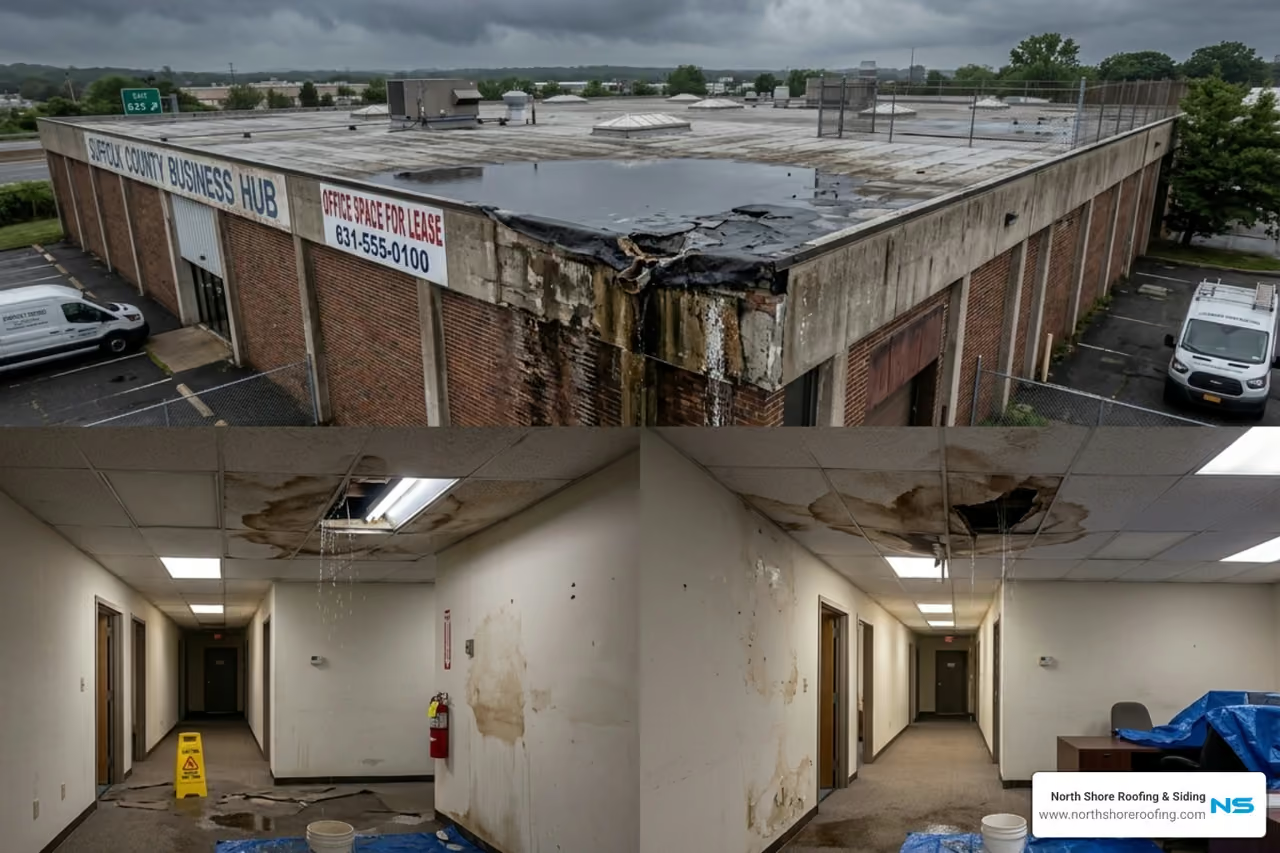
Industrial roofs face challenges that go well beyond normal wear and tear. Manufacturing chemicals, exhaust residues, rooftop equipment, and heavy foot traffic near HVAC units all accelerate degradation. A wrong material choice — or a poor installation — can mean leaks, lost inventory, and costly downtime.
This guide walks you through every major industrial flat roofing system, compares real costs, and helps you figure out whether to repair, restore, or replace — so you can protect your facility and your bottom line.
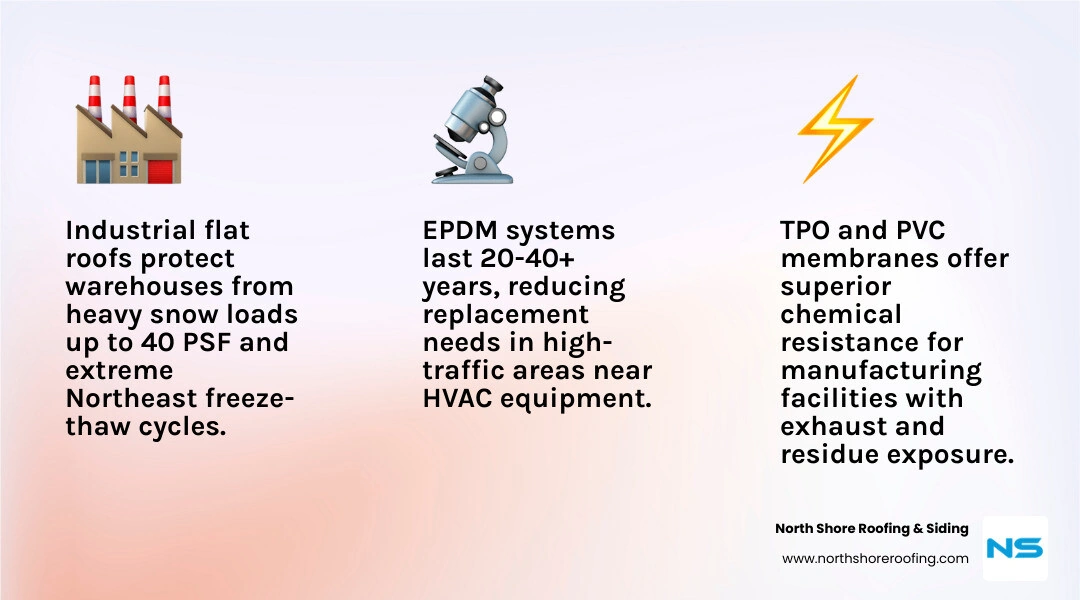
When we talk about industrial flat roofing, it’s helpful to think of it as a high-tech sandwich. It isn’t just a single sheet of rubber or plastic; it’s a carefully engineered assembly of layers designed to keep the elements out and the climate-controlled air in. Understanding these layers is the first step toward making a smart investment for your facility in Queens or Long Island.
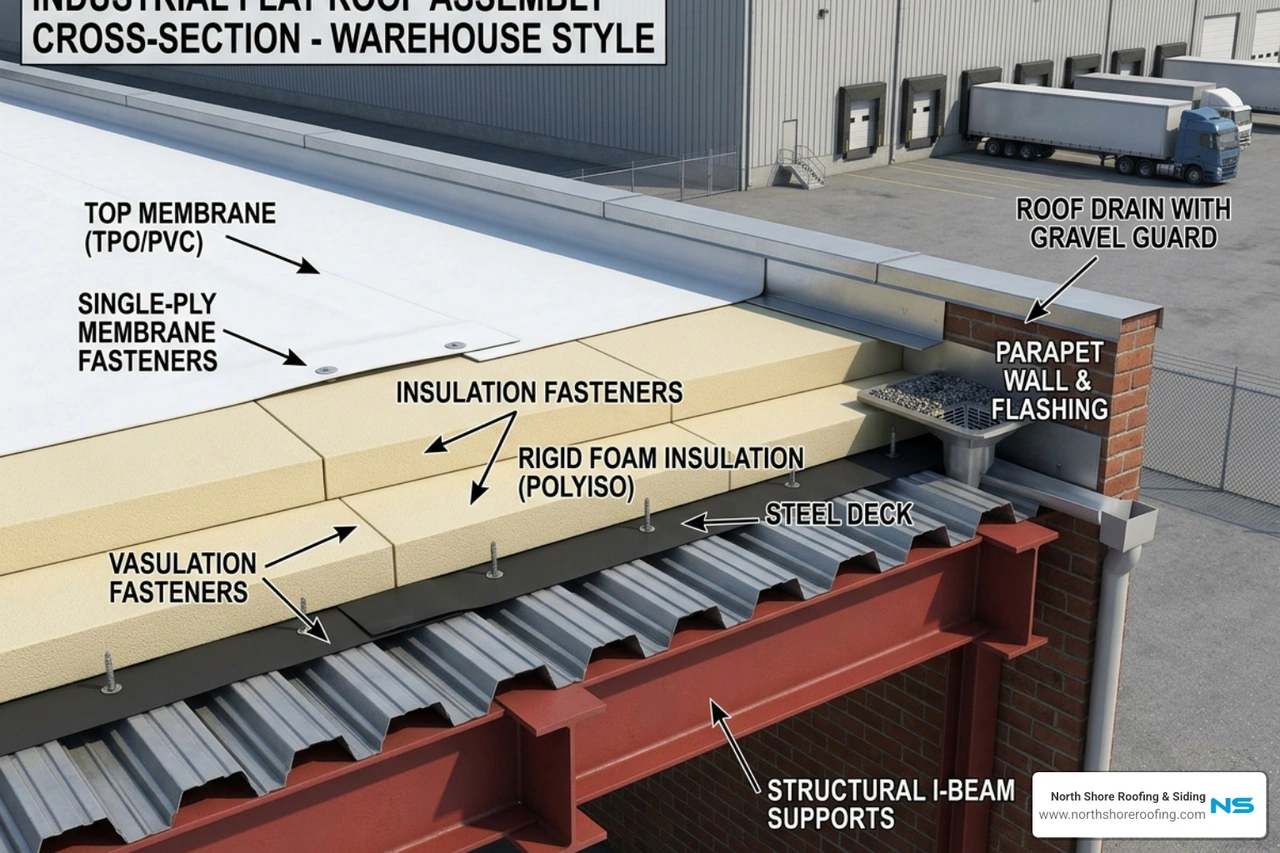
The foundation of any roof is the deck. In the industrial world, this is typically made of steel, concrete, or wood. Steel is the most common for warehouses in areas like Flushing because it’s lightweight and strong. Concrete decks are often found in heavy manufacturing plants where fire resistance and load-bearing capacity are paramount.
According to the Industrial Flat Roof Assembly: Anatomy and Components guide, a vapor retarder is essential for managing internal moisture migration. This layer is placed on the "warm side" of the assembly to prevent condensation from getting trapped inside your insulation, which could lead to mold or structural rot.
The most common insulation used in modern industrial flat roofing is Polyisocyanurate (often called Polyiso). It offers a high R-value per inch, meaning it’s excellent at keeping your building warm in a Locust Valley winter and cool during a Bayside summer. For energy-aware facility managers, choosing the right insulation thickness is a major factor in long-term ROI and meeting Commercial Flat Roofing Installation NY standards.
Before the final waterproof membrane is applied, we often install cover boards. These provide a stable surface and protect the insulation from being crushed by foot traffic or hail. Finally, the membrane (TPO, EPDM, or PVC) is attached. Depending on the building's height and wind exposure—critical in coastal spots like Port Washington—we might use mechanical fasteners, adhesives, or heavy ballast to keep everything in place.
Choosing the right system depends on your specific business operations. A food processing plant in Queens has very different needs than a dry storage warehouse in Manhasset.
As outlined in Top Flat Roofing Systems for Industrial Use – A Comprehensive Guide – RoofTitan, modern systems like Modified Bitumen and single-ply membranes have largely replaced the "tar and gravel" roofs of the past, though traditional methods still have their place. For a bird's-eye view of your options, check out our Commercial Roofing Overview.
Single-ply membranes are the current heavyweight champions of the industry.
For those who prefer "old school" durability, Built-Up Roofing (BUR) consists of multiple layers of bitumen and reinforcing fabrics. It’s essentially a "redundant" system—if the top layer is punctured, you have three or four more layers underneath it. Modified Bitumen (Mod Bit) is a hybrid that adds plastic or rubber modifiers to asphalt for increased flexibility. These are excellent for high-traffic roofs in Queens industrial zones where technicians are constantly servicing HVAC units.
Our local weather in Long Island and Queens is a major factor in roof selection. We don't just deal with rain; we deal with "The Great Freeze."
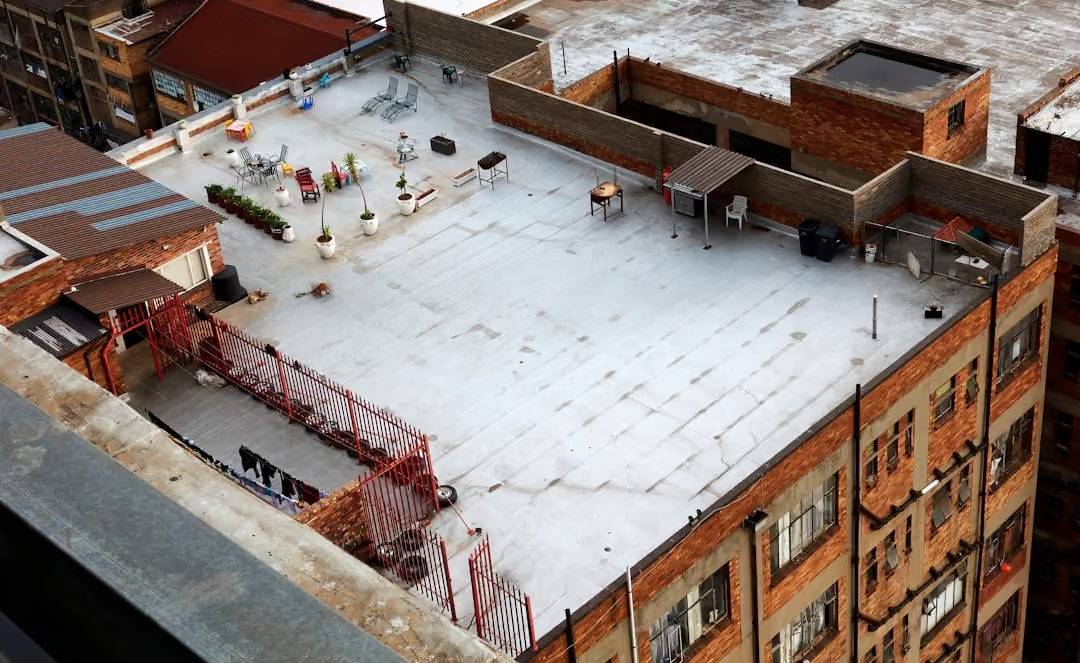
In Port Washington and Manhasset, wind loads can be significant due to the proximity to the water. This requires specific membrane attachment patterns to prevent "fluttering" or blow-offs. In Flushing and Bayside, high humidity can lead to condensation issues if the vapor retarder isn't installed correctly.
Thermal expansion is another silent killer. During a typical year in Locust Valley, a roof can experience temperature swings of over 100 degrees. This causes the building to grow and shrink. EPDM is particularly good at "stretching" with these changes, while TPO and PVC rely on their welded seams to maintain integrity. For more on how we handle these local challenges, see our guide on Commercial Roof Installation NY.
A well-maintained industrial flat roofing system can last 40% longer than one that is ignored. We recommend bi-annual inspections—once in the spring and once in the fall.
This is the million-dollar question (sometimes literally). For a large 180,000 sq ft facility, a full tear-off and replacement can cost between $10 and $15 per square foot. That's a massive capital expenditure.
However, if your roof deck is in good shape and the insulation is dry, you might be a candidate for a TPO overlay. This involves installing a new membrane over the existing one, often costing around $6.00 to $6.50 per square foot.
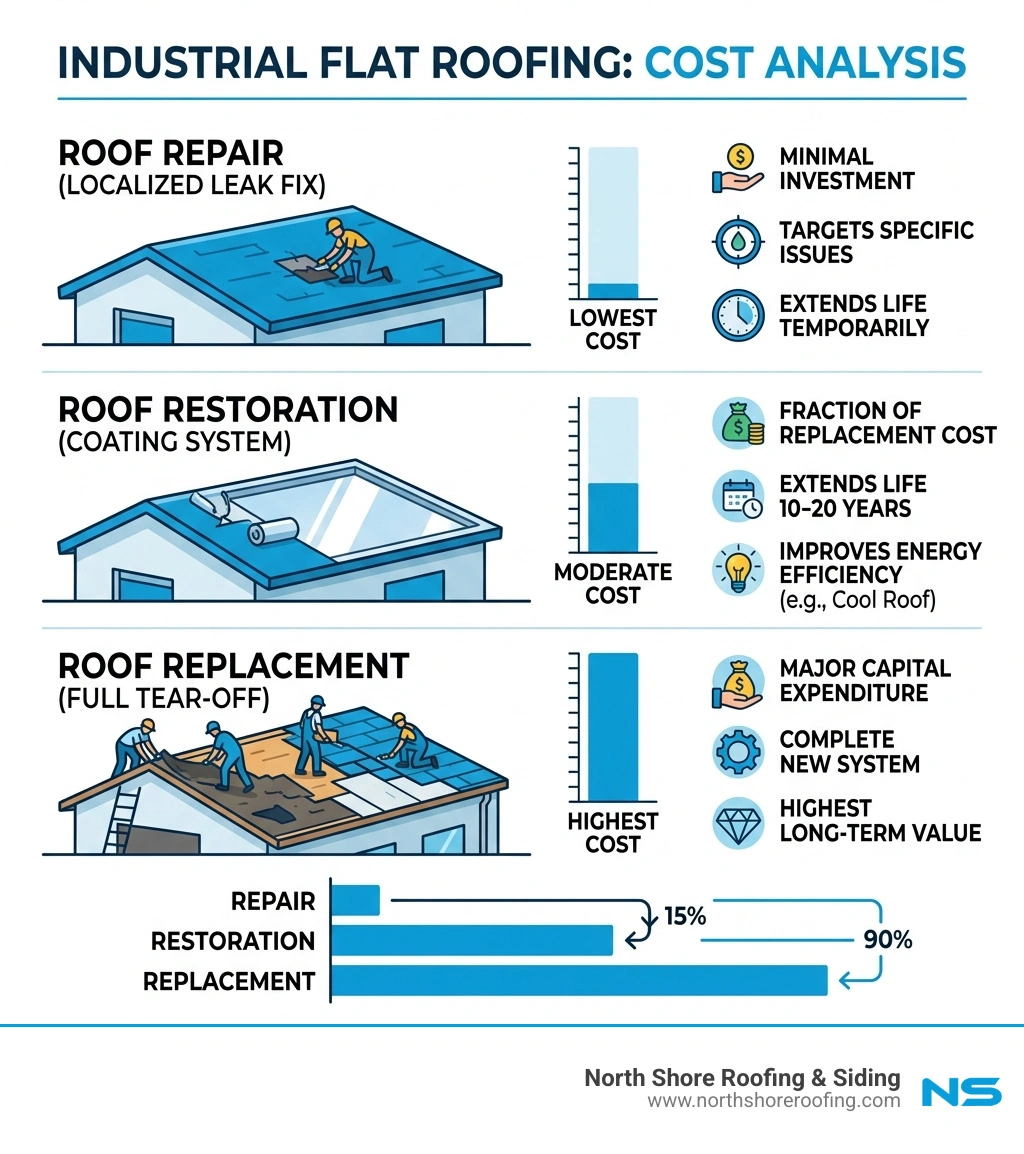
If you're just dealing with minor leaks, a high-quality silicone or acrylic coating (restoration) can extend the life of your roof by 10 to 20 years for a fraction of the cost of replacement. You can find more details on these options in our Flat Roofing section. Keeping your insulation dry is the key to avoiding the most expensive "full tear-off" scenarios.
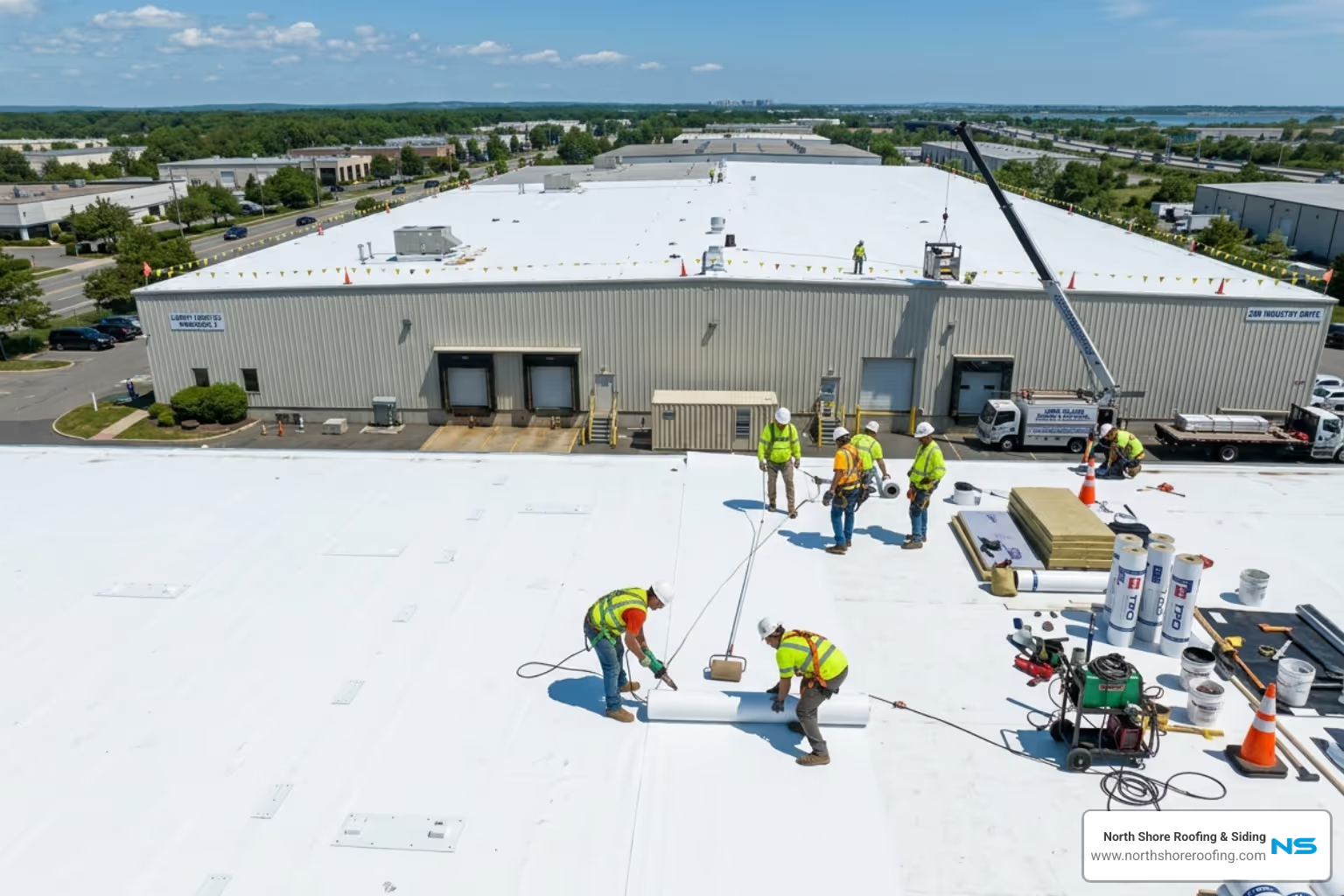
White TPO and PVC membranes are generally the most energy-efficient due to their high solar reflectivity. They bounce the sun's rays away from the building, significantly reducing the load on your cooling systems during Long Island summers.
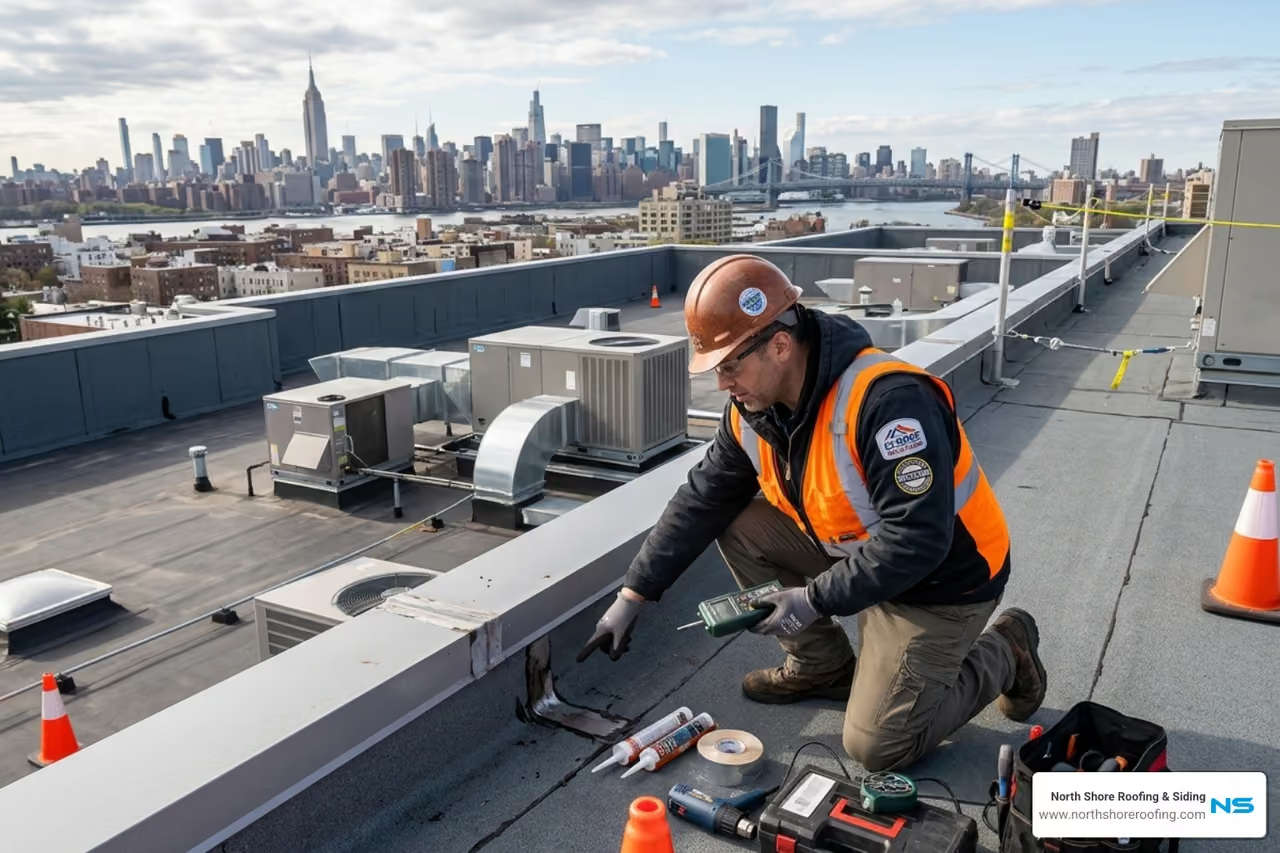
At a minimum, twice a year. The freeze-thaw cycles in Queens and Long Island are brutal on seams and flashing. Catching a small crack in the fall can prevent a catastrophic leak during a January snowmelt.
Yes, but the system must be engineered for it. The roof needs a high-density cover board to support the weight and a membrane (like TPO or PVC) that can handle the increased heat and foot traffic associated with solar maintenance.
Investing in industrial flat roofing is about more than just keeping the rain out; it’s about protecting your facility's operational future. At North Shore Roofing & Siding, we bring decades of local expertise to every project in Long Island, Queens, and the surrounding communities. Whether you are managing a warehouse in Port Washington, a retail center in Manhasset, or a manufacturing plant in Flushing, our licensed and certified team is here to provide honest pricing and results that exceed expectations.
We understand the unique challenges of the Northeast climate and the specific industrial standards of Queens County. Don't wait for a leak to become a disaster. More info about commercial roofing services is just a click away—let us help you find the "flat out" best solution for your facility today.
Copyright 2022 North Shore Roofing & Siding | All Rights Reserved | Sitemap | Website by Plumb Development a Digital Marketing Agency