Blog Content

27
Sep
2026
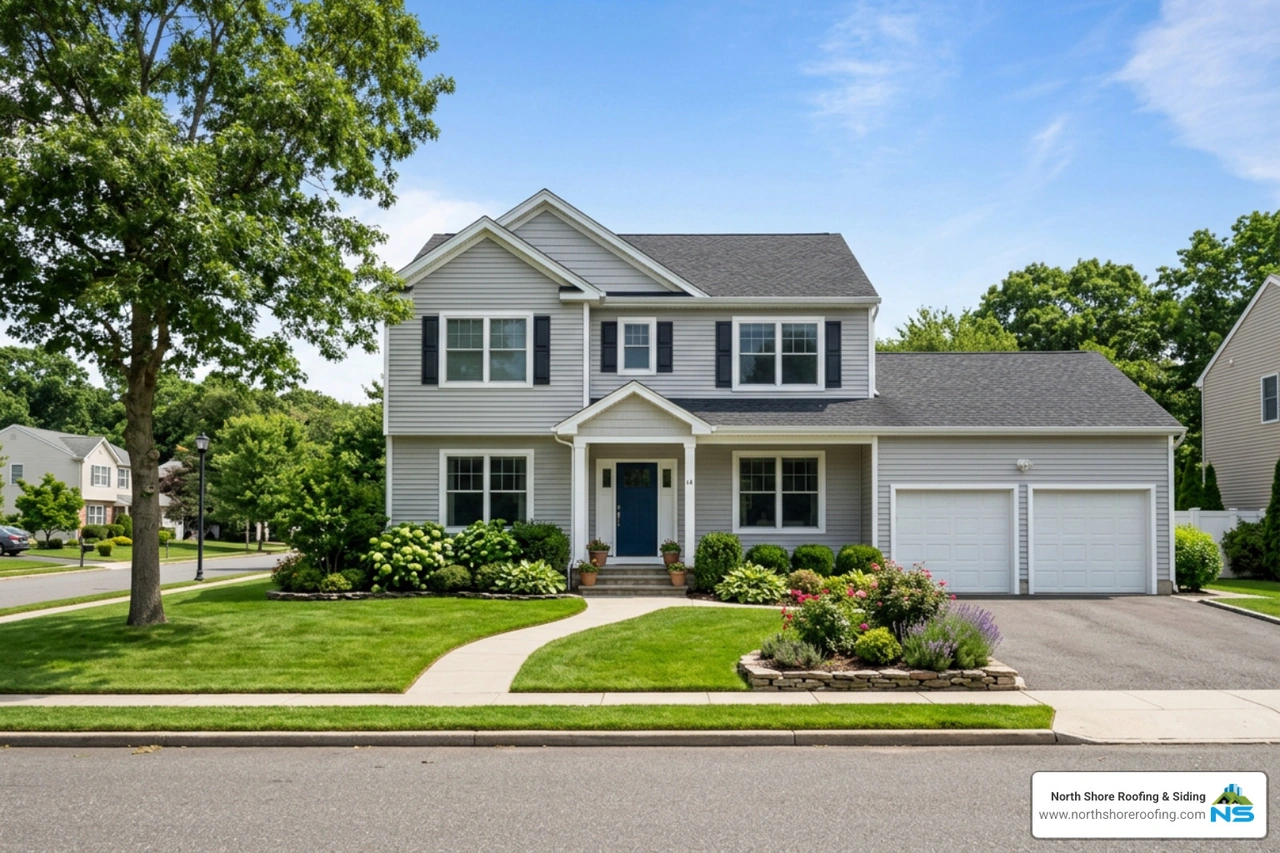
Siding on Long Island takes a beating that most of the country never has to deal with. Salt air rolling in off the Sound and the Atlantic, nor'easters that can top 70 mph, and freeze-thaw cycles that repeat all winter — your home's exterior is working hard every single day.
Here's a quick snapshot of what you need to know before diving in:
Whether you're in Port Washington, Manhasset, Bayside, Flushing, Locust Valley, or anywhere across Long Island and Queens, the right siding choice depends on your home's exposure, your budget, and how long you plan to stay.
This guide covers everything: materials, costs, permits, warning signs, and how to find a contractor you can actually trust.
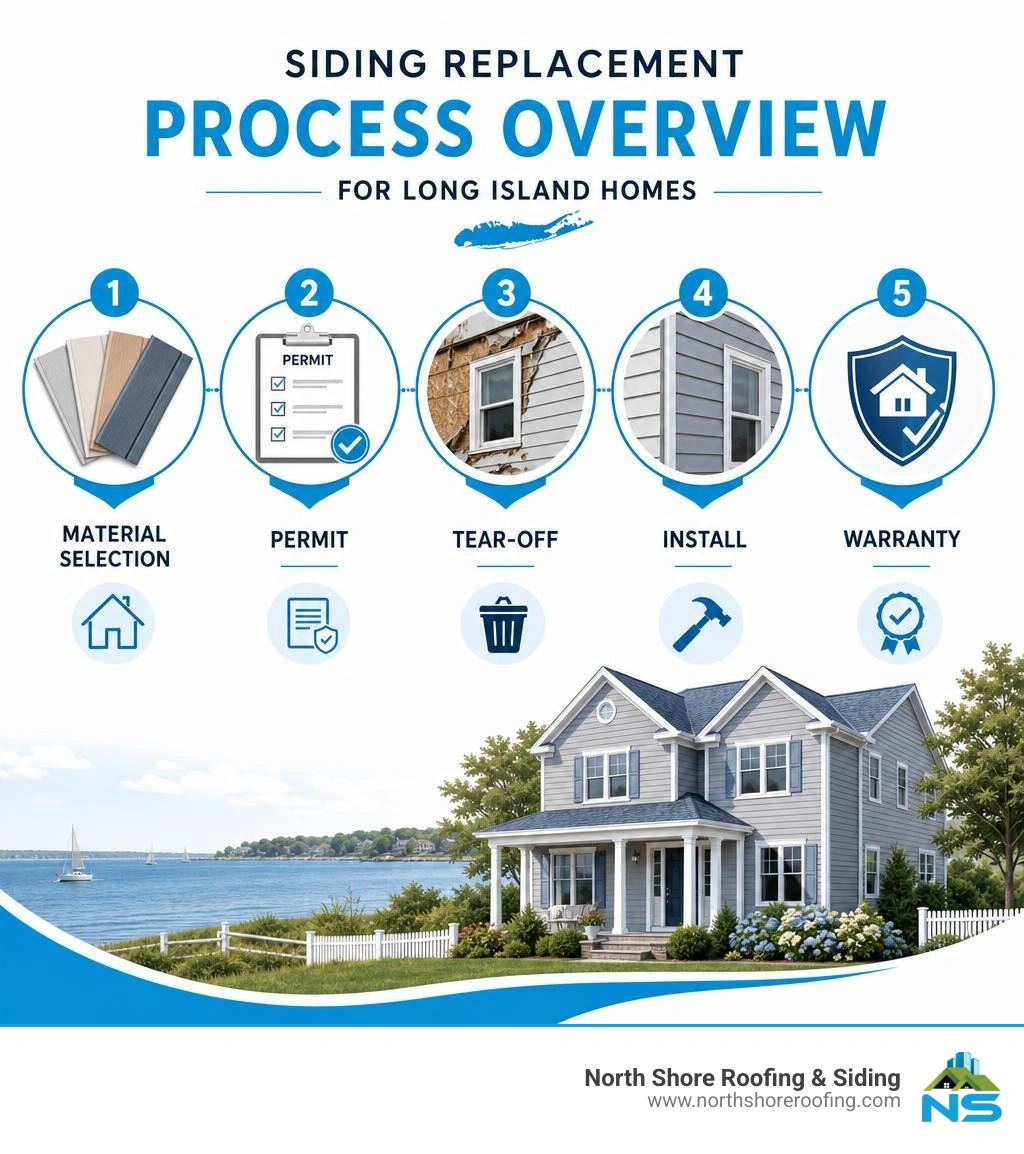
Easy siding long island glossary:
When choosing the right material for your home, you cannot afford to ignore our unique local climate. From the waterfront properties of Port Washington to the tree-lined streets of Locust Valley, our homes must endure intense coastal weather. The microclimates of Queens and Long Island present distinct challenges.
Salt air acts as a constant corrosive agent, while high humidity levels in July and August invite mold and rot. When winter arrives, the freeze-thaw cycles force moisture into tiny crevices, expanding them over time. Finally, the occasional nor'easter brings wind-driven rain that will find any weakness in your home's exterior envelope.
Whether you reside in a classic colonial in Manhasset, a suburban split-level in Bayside, or a bustling multi-family home in Flushing, selecting the right siding is your first line of defense. Let's look at how the most popular materials stack up.
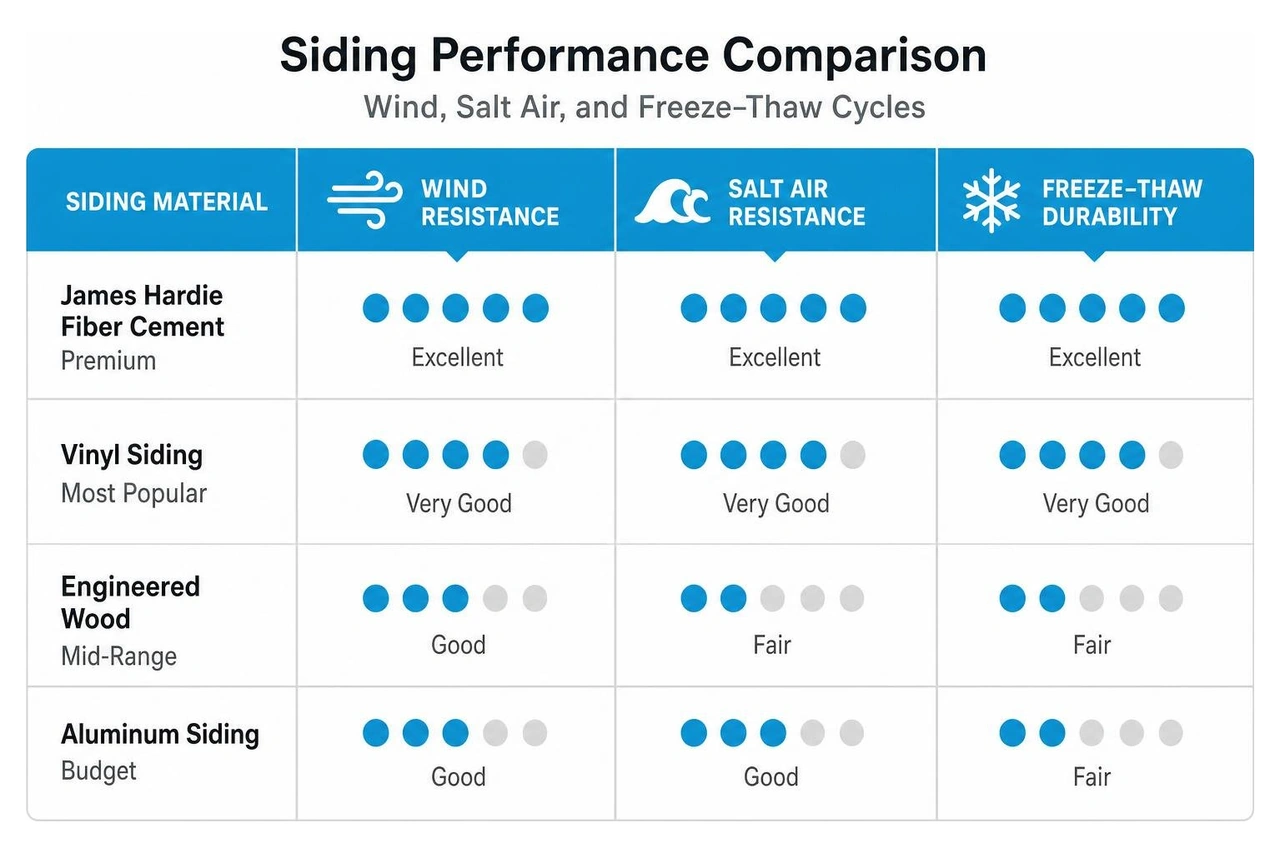
It is no secret that vinyl remains the most popular choice for homeowners across our region. In fact, roughly two out of three homes we work on still utilize vinyl. The reasons are simple: it is highly customizable, virtually maintenance-free, and exceptionally cost-effective.
Modern premium vinyl is a far cry from the thin, brittle plastic panels used in the 1980s. Today's premium vinyl siding is engineered to be fade-resistant, impact-resistant, and wind-rated to withstand gusts of up to 110 mph. For homeowners looking to maximize their energy savings, upgrading to insulated vinyl siding can add an R-value of R-3.0 to R-4.0 to your walls, which helps lower those steep heating and cooling bills.
While standard vinyl is incredibly affordable, it does require a precise hand during installation. Because vinyl expands and contracts up to half an inch across a 12-foot panel between our freezing winters and humid summers, panels must be hung loosely rather than nailed tight.
If you want to explore professional vinyl options, check out our Vinyl Siding Installation Service NY and read up on the Top House Siding Materials in New York Homeowners to see how it fits your budget.
For homeowners who want the ultimate in durability or natural beauty, alternative premium materials are highly sought after.
Fiber cement siding, specifically from industry-leader James Hardie, is the fastest-growing exterior material in the Northeast. Engineered specifically for our climate zone, fiber cement is made from a blend of cement, sand, and cellulose fibers. It is completely impervious to rot, insects, and salt air. It is also non-combustible, which can sometimes help lower your home insurance premiums.
With factory-baked finishes, fiber cement gives you the gorgeous, deep texture of real wood without any of the constant painting. It is the ideal premium choice for coastal homes in Port Washington and Manhasset that face harsh winds and salt spray.
If you are looking for that classic, historic look for a home in Locust Valley or Bayside, nothing quite matches the warmth of real Western Red Cedar. Cedar contains natural oils that resist rot and insect damage.
However, real wood does require a commitment to regular maintenance. It must be stained or painted every 3 to 5 years to protect it from moisture. For those who want the look of wood with a bit less upkeep, engineered cedar (such as Maibec shingles) offers a fantastic middle ground.
To learn more about wood options, see our Cedar Siding Installation Service NY page.
Understanding the financial and time commitments of a siding project is crucial to keeping your stress levels low. Siding is a significant investment that directly impacts your home's equity, energy efficiency, and curb appeal.
Siding costs on Long Island and in Queens are generally 25% to 40% higher than the national median. This difference is driven by higher local labor rates, strict disposal fees, and necessary municipal permitting.
When you receive a professional estimate, the final price is determined by several factors:
Here is a realistic breakdown of what you can expect to pay for a typical 2,000-square-foot home on Long Island:
For a deeper dive into how these pricing structures work, check out our comprehensive House Siding Replacement Cost NY guide.
A high-quality siding installation cannot be rushed, but it shouldn't drag on forever either. A standard 2,000-square-foot vinyl siding replacement typically takes 3 to 5 days of active on-site work. Fiber cement or real cedar installations are more labor-intensive and generally require 10 to 15 days to complete to exact manufacturer specifications.
Before any hammer swings, however, we must secure the proper building permits. Municipalities across Nassau and Suffolk counties — including the Town of Oyster Bay, the Town of Hempstead, and the Town of North Hempstead — require permits for full siding replacements.
The permitting process typically takes 7 to 12 business days, depending on the town hall's current backlog. A professional contractor should always handle the paperwork, submission, and final inspections as part of their service. This ensures your project complies with local wind-load and energy codes, protecting you from costly municipal fines down the line.
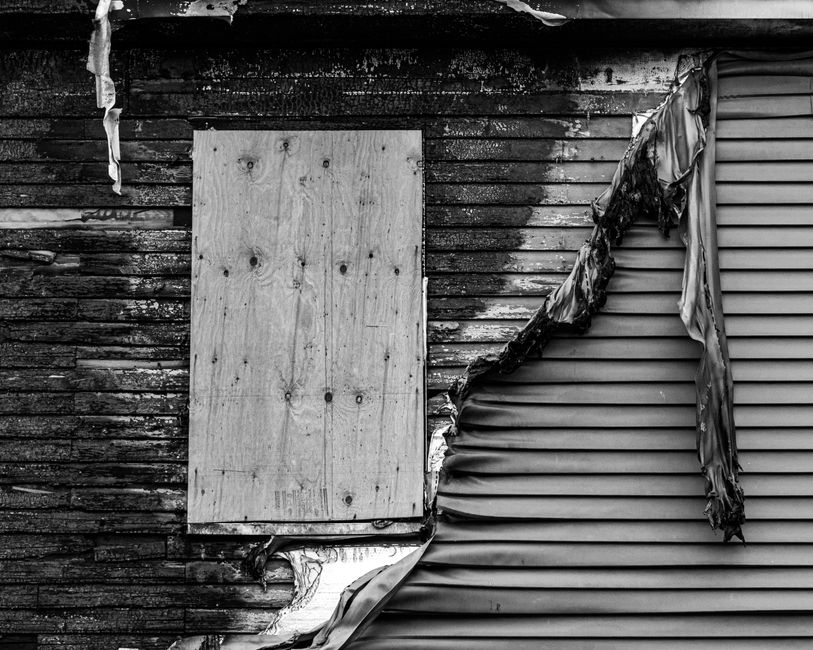
Your home will usually tell you when its protective envelope is failing. Knowing what to look for can save you from catastrophic water damage inside your walls.
Look out for these common warning signs:
If you only have a few damaged panels from a stray baseball or a localized storm, you might only need a minor repair. Read our Siding Panel Replacement Cost Guide to evaluate whether a repair or a full replacement is right for your home.
The siding itself is only the aesthetic rain screen. The real waterproofing happens underneath. During a professional tear-off, we inspect the underlying plywood sheathing for any signs of rot. We then wrap the home in a high-performance weather-resistant barrier (like Tyvek DrainWrap) to let the house "breathe" while keeping liquid water out.
The most critical points of failure are the transitions. Water must be actively guided away from your home using proper metal flashings.
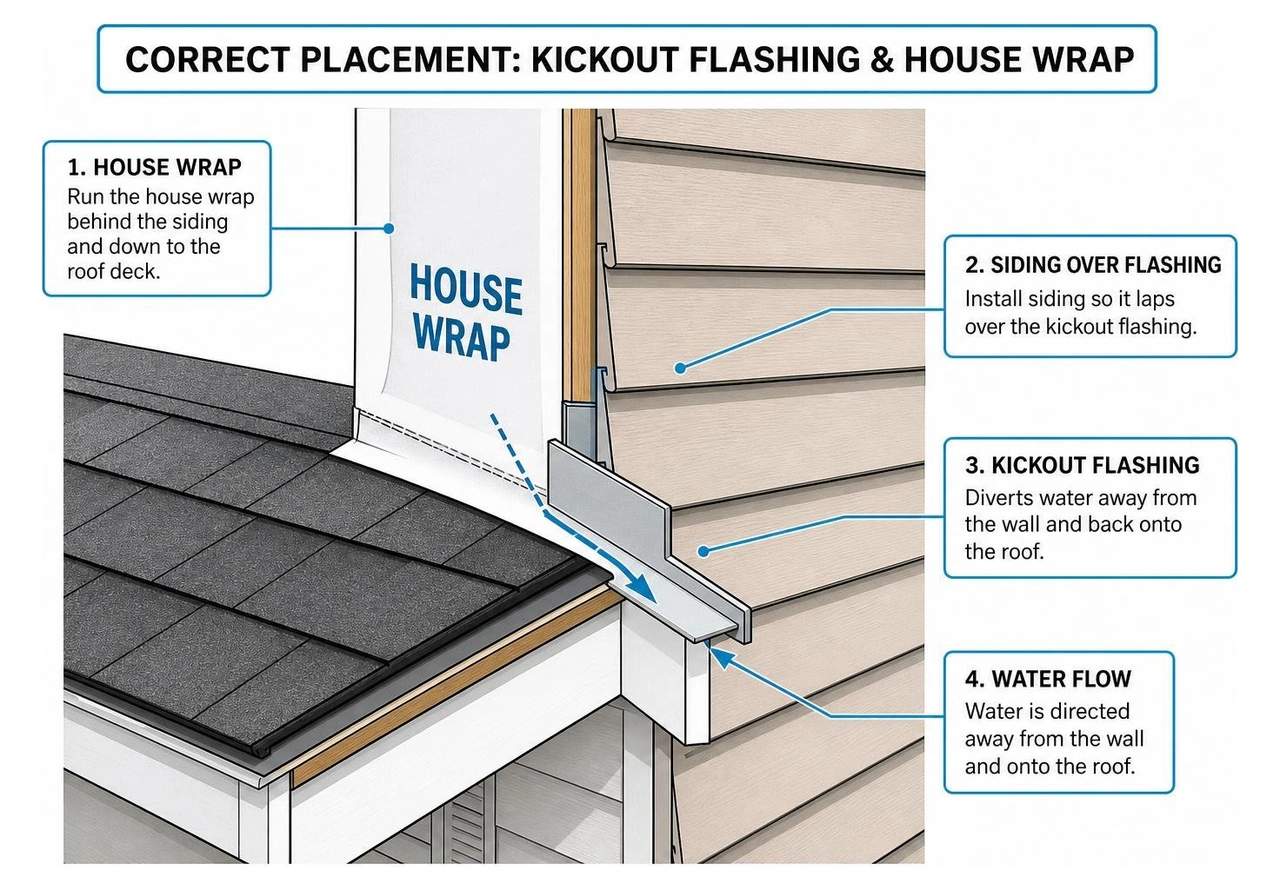
Installing kickout flashing at roof-to-wall junctions and properly sealing window trims prevents water from pooling behind your new panels. Skipping these steps is the number one cause of premature siding failure. To understand how we protect these vulnerable areas, check out our guide on Flashing Bottom of Siding.
Yes, almost every town in Nassau and Suffolk counties requires a building permit for a full siding replacement. This includes the Town of Hempstead, North Hempstead, and Oyster Bay.
While some contractors might suggest skipping this step to save time, doing so is highly risky. Unpermitted work can complicate home sales, invalidate manufacturer warranties, and lead to stop-work orders from town inspectors. A reputable, licensed contractor will always pull the necessary permits for you.
The coastal air in Queens, especially around waterfront areas near Flushing and Bayside, is highly saturated with salt and humidity. This environments ruins older aluminum siding, causing it to oxidize, chalk, and pit.
For these areas, we highly recommend premium vinyl or fiber cement. These materials do not absorb moisture, will not rust or corrode from salt spray, and easily withstand the high humidity levels of Long Island Sound. If you are in the city boroughs, you can explore our specialized Siding Installation Services NYC for tailored urban and coastal solutions.
A quality siding project should come with two layers of protection:
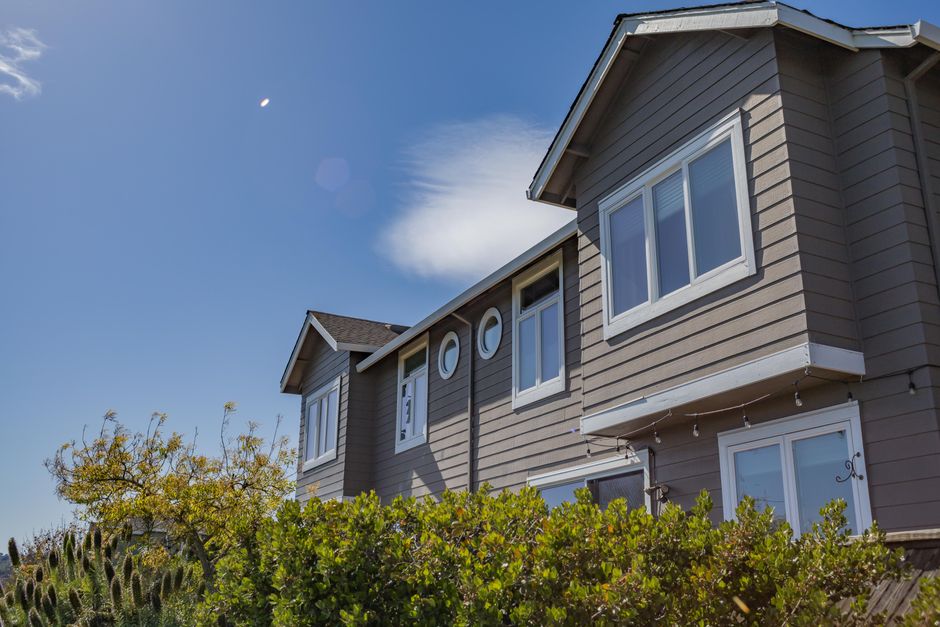
Your siding is more than just a color choice — it is your home's shield against the elements. Whether you want the budget-friendly durability of vinyl or the premium, storm-proof protection of fiber cement, investing in professional installation is the only way to ensure your home stays dry, energy-efficient, and beautiful for decades to come.
At North Shore Roofing & Siding, we bring decades of local expertise, fully licensed and certified crews, and honest, transparent pricing to every job. We proudly serve homeowners across Long Island and Queens, from the historic properties of Locust Valley and Manhasset to the coastal neighborhoods of Port Washington, Flushing, and Bayside.
We don't just install siding; we build lasting protection. Ready to transform your home's exterior? Get a Free Roofing and Siding Installation Estimate from our team today!

Copyright 2022 North Shore Roofing & Siding | All Rights Reserved | Sitemap | Website by Plumb Development a Digital Marketing Agency

